

Articles by this Author
Company Law
Company Law
Non-Filing of Balance Sheet Leads to ₹1.53 Lakh Penalty Under Companies Act
Company Law
Company Law
ROC Imposes Maximum Penalty for Non-Filing of Balance Sheet Since 2017
Company Law
Company Law
Failure to File Annual Return Leads to ₹1.86 Lakh Penalty Under Companies Act
Goods and Services Tax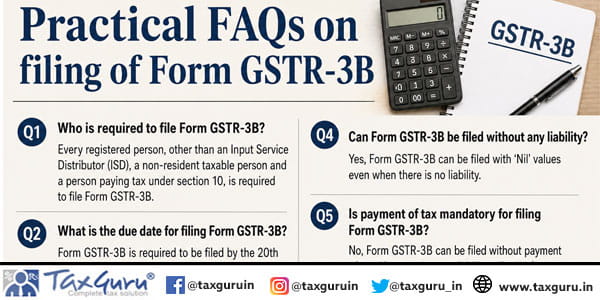
Goods and Services Tax
Practical FAQs on filing of Form GSTR-3B
Company Law
Company Law
Failure to Appoint Woman Director Within Time Limit Attracts ₹5 Lakh Penalty
Company Law
Company Law
Incorrect AOC-4 XBRL Filing Attracts Penalty Despite Later Rectification
Company Law
Company Law
Wrong Subsidiary Status in AOC-4 Filing Attracts Penalty Under Companies Act
Company Law
Company Law
Incorrect Shareholder Details in MGT-7A Filing Attract ROC Penalty
Company Law
Company Law
ROC Imposes Penalty for Failure to Maintain Minimum Independent Directors
Custom Duty
Custom Duty
Government Revises Preferential Customs Rates Under India-UAE CEPA
Custom Duty
Custom Duty
Concessional Customs Duty on Gold, Silver & Platinum Imports raised to 10%
Custom Duty
Custom Duty
Government Revises SWS and AIDC Rates on Gold & Silver
Custom Duty
Custom Duty
Customs Duty on Gold and Silver Increased to 10%
Finance
Finance

