
Month: June 2026
2,704 articlesIncome Tax
Income Tax
Pune ITAT Deletes ₹1.14 Crore Addition Based Solely on Hawala Operator’s Statement; Cross-Examination Denial Proves Fatal
SEBI
SEBI
SEBI Reviews Master Circulars to Simplify Compliance for Stock Exchanges
Custom Duty
Custom Duty
CBIC Appoints Common Adjudicating Authority for Flexituff Customs SCNs
Corporate Law
Corporate Law
Pension Eligibility for Compassionate Appointees Based on Application Date
Corporate Law
Corporate Law
IRDAI Proposes Insurance Intermediary Reforms to Align with SBSR Act 2025
Goods and Services Tax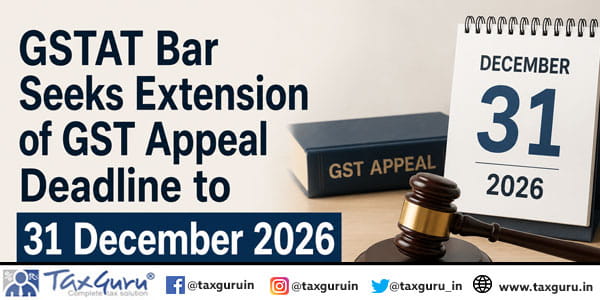
Goods and Services Tax
GSTAT Bar Seeks Extension of GST Appeal Deadline to 31 December 2026
Corporate Law
Corporate Law
MHA Revises FCRA Compounding Penalties for Misuse of Foreign Contributions
Finance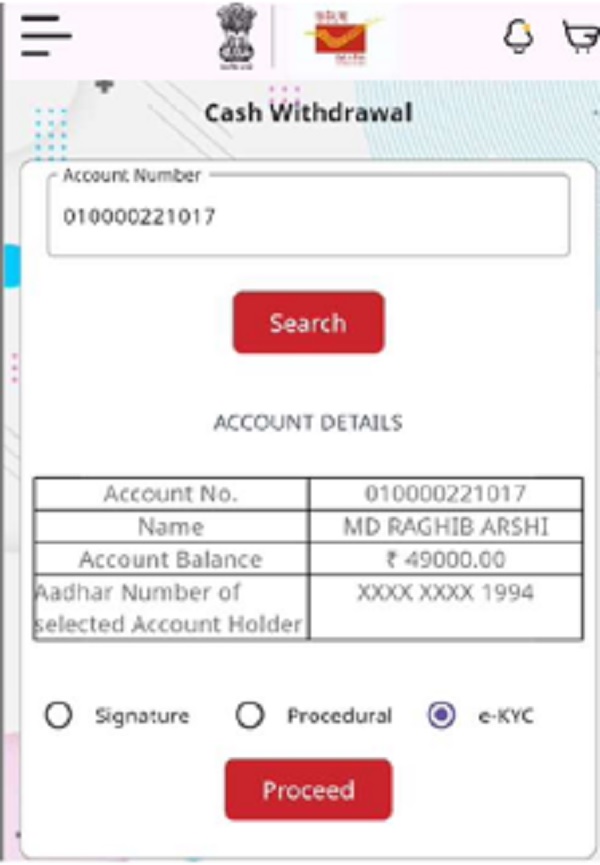
Finance
Department of Posts Introduces e-KYC in Branch Post Offices
Corporate Law
Corporate Law
Dismisses discharge plea of Forest Officer as disproportionate assets justified Presumption of Money Laundering u/s 24 PMLA
Company Law
Company Law
First Motion Cleared: NCLT orders Shareholders’ and Creditors’ Meetings, dispenses with others in Scheme of Arrangement Proceedings
Income Tax
Income Tax
No denial of scientific research deduction allowed for procedural delay when DSIR approval existed: ITAT deleted ₹2.07 Crore disallowance
Corporate Law
Corporate Law
Delhi HC Orders Removal of Fake Content Targeting CJI & Judiciary
Income Tax
Income Tax
Orissa HC Quashes Section 143(2) Notice as It Was Issued Without Jurisdiction
Income Tax
Income Tax

