
Month: June 2026
2,704 articlesCompany Law
Company Law
ROC Imposes Penalty for Failure to Attach Directors Report for FY 2017-18
Corporate Law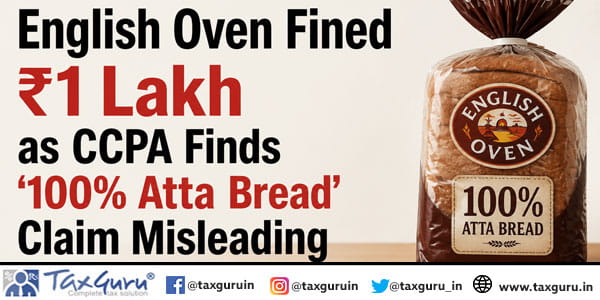
Corporate Law
English Oven Fined ₹1 Lakh as CCPA Finds ‘100% Atta Bread’ Claim Misleading
Company Law
Company Law
ROC Imposes Section 134(8) Penalty for Failure to Attach Directors Report
Company Law
Company Law
ROC UP Imposes Penalty for Non-Filing of FY 2020-21 Financial Statements
Company Law
Company Law
ROC Imposes Penalty for Omission of Web Address in Directors Report
Corporate Law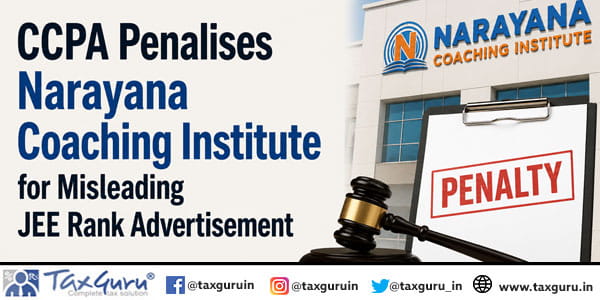
Corporate Law
CCPA Penalises Narayana Coaching Institute for Misleading JEE Rank Advertisement
Corporate Law
Corporate Law
CCPA Imposes Penalty for Selling Walkie-Talkies Without Mandatory Licensing Disclosures
Corporate Law
Corporate Law
CCPA Orders Removal of ‘100% Tender Coconut Water’ Claim for Misleading Consumers
Goods and Services Tax
Goods and Services Tax
P&H HC Quashed Unreasoned GST Order as Assessee’s Reply Was Not Considered
Income Tax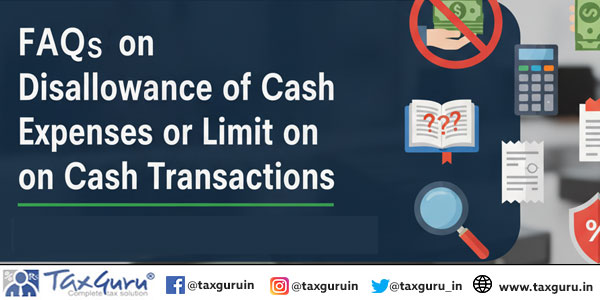
Income Tax
FAQs on Disallowance of cash expenses or limit on cash transactions
Income Tax
Income Tax
FAQs on ICDS (Income Computation and Disclosure Standards)
Income Tax
Income Tax
Pune ITAT Quashes Section 263 Revision; Detailed AO Enquiry Bars Revision on Mere Change of Opinion
Fema / RBI
Fema / RBI
RBI’s ECL Framework: From Incurred Loss Regime to Expected Loss Regime
Service Tax
Service Tax

