
Month: June 2026
2,704 articlesCorporate Law
Corporate Law
National Trust Approval Not Required for SARFAESI Proceedings Against Property Partly Owned by Disabled Ward
Company Law
Company Law
ROC Imposes ₹4 Lakh Penalty for Failure to Maintain Registered Office
Company Law
Company Law
ROC Chhattisgarh Penalises Company for Delay in Filing CSR-2 Form
Company Law
Company Law
ROC Chhattisgarh Penalises Company for Non-Functional Registered Office
Company Law
Company Law
Penalty Imposed for Failure to Maintain Functional Registered Office
Company Law
Company Law
Section 203(5) Penalty Imposed for Delay in Appointing Whole-time CS
Goods and Services Tax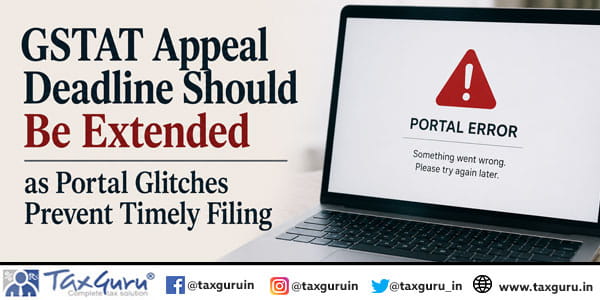
Goods and Services Tax
GSTAT Appeal Deadline Should Be Extended as Portal Glitches Prevent Timely Filing
Fema / RBI
Fema / RBI
RBI Drafts New Money Market Rules to Boost Liquidity & Expand Participation
Fema / RBI
Fema / RBI
RBI Issues Draft Master Direction to Consolidate Govt Securities Market Rules
Goods and Services Tax
Goods and Services Tax
GST on Commercial Building Rent Should Be 5% as ITC Is Blocked
Goods and Services Tax
Goods and Services Tax
10 Situations Where GST Registration Is Mandatory Even Without Crossing Turnover Limit
Company Law
Company Law
Section 159 Penalty Imposed for Holding Multiple DINs: ROC Chhattisgarh
Company Law
Company Law
Section 159 Penalty Imposed for Holding Two DINs: ROC Chhattisgarh
Company Law
Company Law

