
Month: June 2026
2,704 articlesCompany Law
Company Law
ROC Ahmedabad Penalises Company for Operating Beyond MOA Object Clause
CA, CS, CMA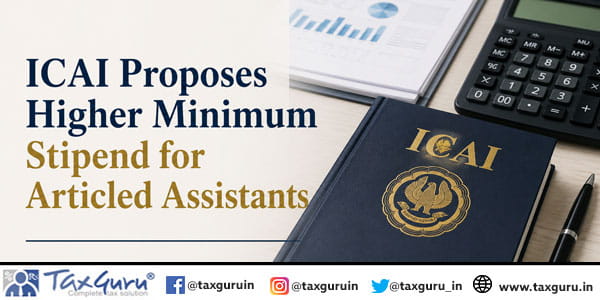
CA, CS, CMA
ICAI Proposes Higher Minimum Stipend for Articled Assistants
Company Law
Company Law
Company Fined for Failing to Explain Auditor’s Adverse Remarks in Board’s Report
Goods and Services Tax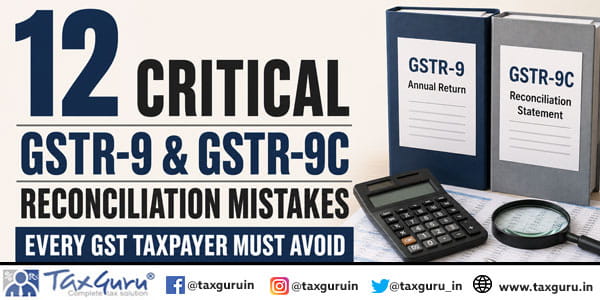
Goods and Services Tax
12 Critical GSTR-9 & GSTR-9C Reconciliation Mistakes Every GST Taxpayer Must Avoid
Income Tax
Income Tax
Income-tax Act 2025: New TDS and TCS Forms Every Deductor Must Know
Corporate Law
Corporate Law
EPFO’s New PF Withdrawal Rules: Why Most Claims Still Get Rejected
Corporate Law
Corporate Law
SC’s Continued Shift Toward Creditor-Centric Enforcement Under SARFAESI Act
Corporate Law
Corporate Law
Section 29A Extension Must Be Filed Before Statutory Court, Not Appointing Court: SC
CA, CS, CMA
CA, CS, CMA
CA Exam BoS Series I & II for CA Intermediate Students: September 2026 Exam
Company Law
Company Law
FAQ on Resignation of Director under Companies Act
Goods and Services Tax
Goods and Services Tax
RoDTEP Benefit Cannot Be Denied on Restricted Exports Made with Valid Permission: Bombay HC
Income Tax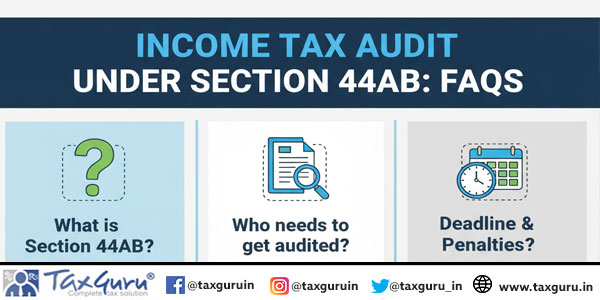
Income Tax
Income Tax audit under section 44AB: FAQs
Income Tax
Income Tax
ITAT Delhi Quashes Assessment as It Was Passed on Non-Existent Company
Income Tax
Income Tax

