
Day: March 21, 2026
74 articlesIncome Tax
Income Tax
Interconnect Service Charges Not Royalty to Non-Resident Telecom Operators: SC
Income Tax
Income Tax
Interconnect Charges Not Royalty Due to Binding Precedent, Karnataka HC Dismisses Appeal
Goods and Services Tax
Goods and Services Tax
Interest at 18% Mandatory on Unpassed GST Benefits from Date of Collection: GSTAT
Goods and Services Tax
Goods and Services Tax
GSTAT Orders Refund After Finding Profiteering Due to Unpassed ITC Benefit
Goods and Services Tax
Goods and Services Tax
Gauhati HC Allows GST Restoration Due to Filing of Pending Returns & Payment of Dues
Goods and Services Tax
Goods and Services Tax
GST Registration Can Be Restored If Pending Returns and Dues Are Cleared: Gauhati HC
Income Tax
Income Tax
Delay Beyond 365 Days in Filing Form 10B Cannot Be Condoned by CIT Due to CBDT Limit: Bombay HC
Income Tax
Income Tax
Section 11 Exemption Cannot Be Denied Due to Delay in Filing Audit Report: ITAT Mumbai
Corporate Law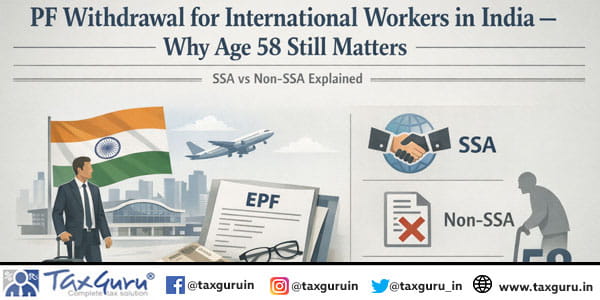
Corporate Law
PF Withdrawal for International Workers in India – Why Age 58 Still Matters (SSA vs Non-SSA Explained)
Goods and Services Tax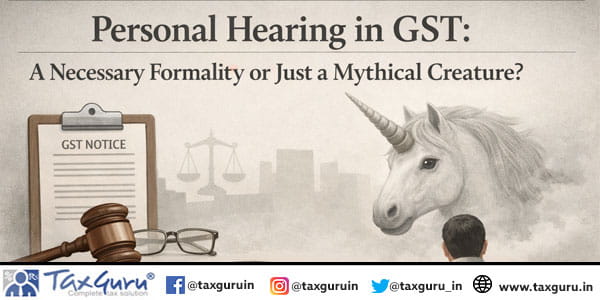
Goods and Services Tax
Personal Hearing in GST: A Necessary Formality or Just a Mythical Creature?
Income Tax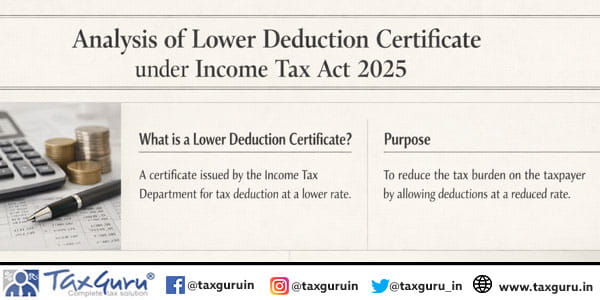
Income Tax
Analysis of Lower deduction Certificate under Income Tax Act 2025
Income Tax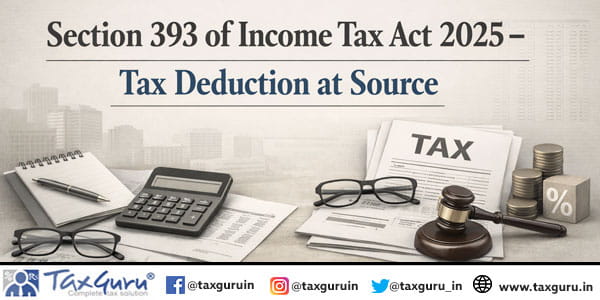
Income Tax
Section 393 of Income Tax Act 2025- Tax deduction at Source
Goods and Services Tax
Goods and Services Tax
Section 54 GST Refund Time Limit Mandatory; HC Can Condone Delay in Genuine Cases
Income Tax
Income Tax

