
Type: Featured
10,042 articlesGoods and Services Tax
Goods and Services Tax
Increasing Product Quantity Instead of Reducing Price Violates Anti-Profiteering Provisions: Delhi HC
Income Tax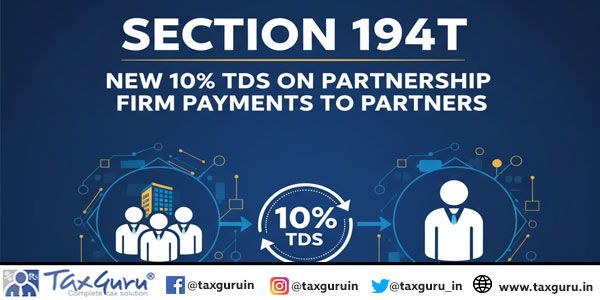
Income Tax
Section 194T: New 10% TDS on Partnership Firm Payments to Partners
Income Tax
Income Tax
FAQs on Statement of Financial Transactions & Reportable Accounts
Income Tax
Income Tax
Section 50C Not Applicable to Cash Compensation for Non-Delivery of Flats: ITAT Mumbai
Income Tax
Income Tax
System Logic Can’t Override Statute: ITAT Allows 87A Rebate on STCG u/s 111A
Corporate Law
Corporate Law
Fraud on Self No Ground to Resist ₹1087 Cr Arbitral Award: SC
CA, CS, CMA
CA, CS, CMA
NFRA publishes ‘Audit Practice Toolkit’ to enhance audit quality in India
Income Tax
Income Tax
Valid TRC Enough for DTAA Benefits; Mere Shell Company Allegation Can’t Override Treaty Protection
Goods and Services Tax
Goods and Services Tax
7 Important Points to be keet in mind before filing October 2025 GST Return!
CA, CS, CMA
CA, CS, CMA
KSCAA Seeks Parity in ITR Due Date Extension for Transfer Pricing Assessees
CA, CS, CMA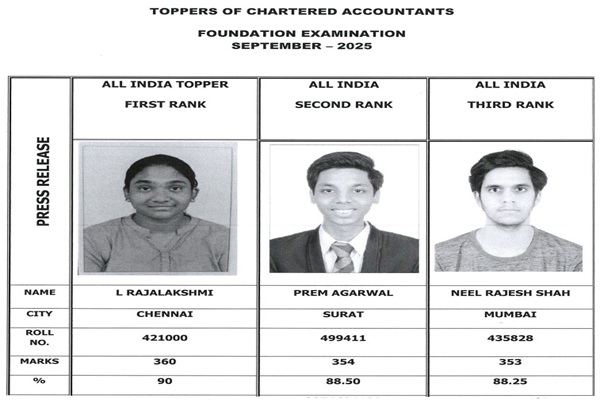
CA, CS, CMA
CA Final, Intermediate & Foundation September 2025 Exam Pass Percentage & Topper
Income Tax
Income Tax
ITAT Allows 12A Registration to Government-Controlled Temple Without Trust Deed
Corporate Law
Corporate Law
SC/ST Act cannot prevent banks from exercising valid mortgage under SARFAESI; Delhi HC Stays ST Commission Summons
Income Tax
Income Tax

