
Type: Featured
10,042 articlesGoods and Services Tax
Goods and Services Tax
Gujarat HC Upholds GST on Corporate Guarantees, Reads Down 1% Valuation Rule
Goods and Services Tax
Goods and Services Tax
SC Ends Ambush GST Arrests, Mandates Service of Section 69 Orders
CA, CS, CMA
CA, CS, CMA
ICAI Launches MEF 2026-27 Empanelment Form
Goods and Services Tax
Goods and Services Tax
No Arrest Protection After Dismissal of Pre-Arrest Bail Under GST: SC
Income Tax
Income Tax
ITAT Allows Section 54 Deduction Despite Residential Flat Completion Beyond Three Years
Income Tax
Income Tax
Is F&O Profit Covered by Presumptive Taxation – and What Exactly Is “Turnover” for F&O?
Goods and Services Tax
Goods and Services Tax
STBA Seeks Early Activation of GSTR-9 & GSTR-9C Utilities for FY 2025-26
Income Tax
Income Tax
ITAT Bangalore: Property Cost Cannot Be Assumed Nil Merely for Lack of Old Records
Income Tax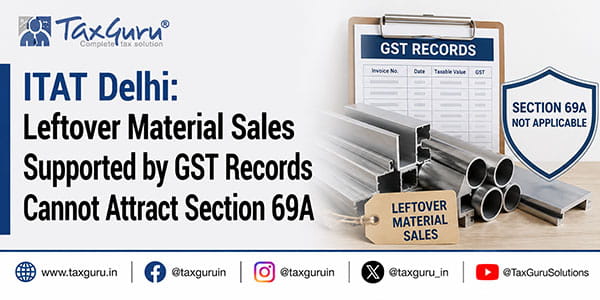
Income Tax
ITAT Delhi: Leftover Material Sales Supported by GST Records Cannot Attract Section 69A
Income Tax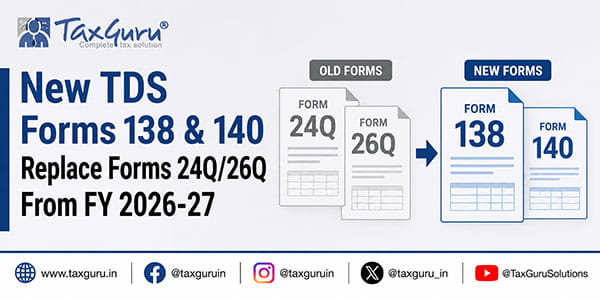
Income Tax
New TDS Forms 138 & 140 Replace Forms 24Q/26Q From FY 2026-27
Income Tax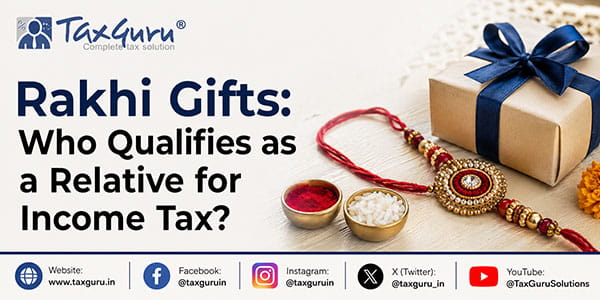
Income Tax
Rakhi Gifts: Who Qualifies as a Relative for Income Tax?
Goods and Services Tax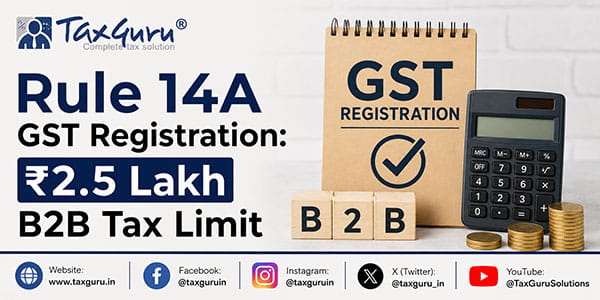
Goods and Services Tax
Rule 14A GST Registration: ₹2.5 Lakh B2B Tax Limit
Income Tax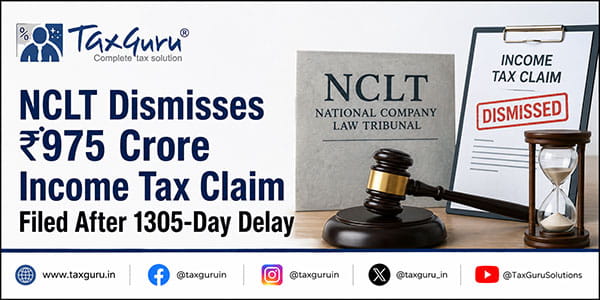
Income Tax
NCLT Dismisses ₹975 Crore Income Tax Claim Filed After 1305-Day Delay
Finance
Finance

