
Type: Featured
10,042 articlesCorporate Law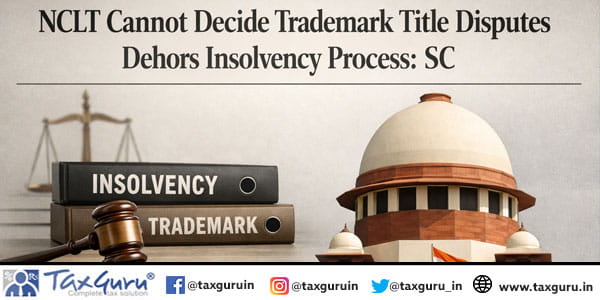
Corporate Law
NCLT Cannot Decide Trademark Title Disputes Dehors Insolvency Process: SC
Income Tax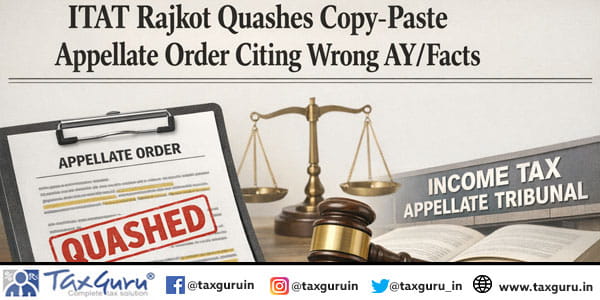
Income Tax
ITAT Rajkot Quashes Copy-Paste Appellate Order Citing Wrong AY/Facts
Corporate Law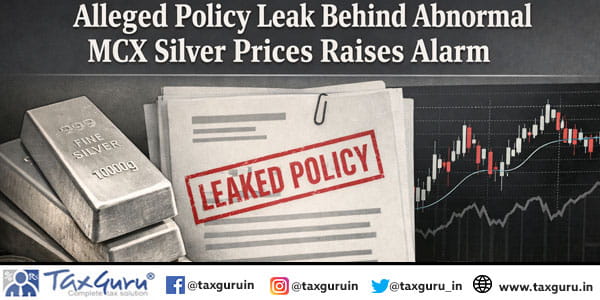
Corporate Law
Alleged Policy Leak Behind Abnormal MCX Silver Prices Raises Alarm
CA, CS, CMA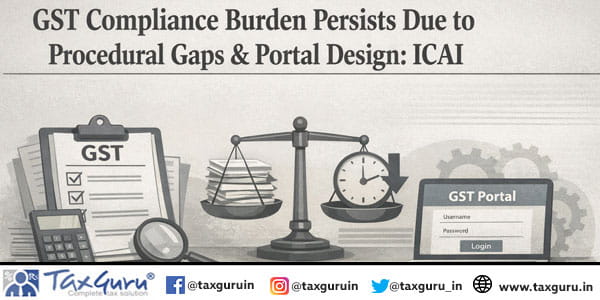
CA, CS, CMA
GST Compliance Burden Persists Due to Procedural Gaps & Portal Design: ICAI
DGFT
DGFT
Unpublished Notification Invalid; MIP Applies Only from Gazette Publication Date: SC
Company Law
Company Law
AI tool use for filing submission without verifying content is not acceptable: Bombay HC
Income Tax
Income Tax
Bombay HC directs Income Tax department to allow lawful claims in e-filing utility
Income Tax
Income Tax
Sale of Land with Old Residential Shed Qualifies for Section 54 Relief: ITAT Chandigarh
Corporate Law
Corporate Law
CBI Not Sole Authority in Corruption Cases Involving Central Staff: SC
Income Tax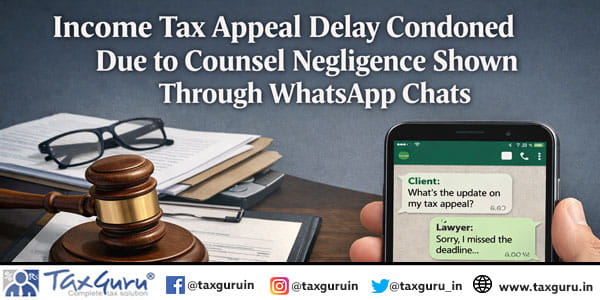
Income Tax
Income Tax Appeal Delay Condoned Due to Counsel Negligence Shown Through WhatsApp Chats
Goods and Services Tax
Goods and Services Tax
Section 74 GST SCN Only States Figures Without Fraud/Suppression Allegation: SC Grants Stay
Income Tax
Income Tax
WhatsApp Chats Between Third Parties Not Evidence Against Company Without Corroboration
CA, CS, CMA
CA, CS, CMA
Analysis of Notifications and Circulars for Week ending 18th January 2026
Income Tax
Income Tax

