
#Section 144
Log in to FollowLatest Section 144 updates, provisions, case laws, compliance requirements, tax implications and expert analysis under Income-tax law on TaxGuru.
Income Tax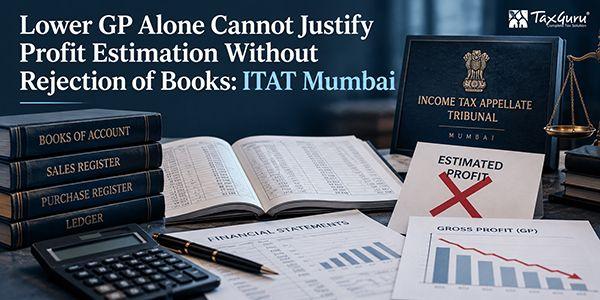
Income Tax
Lower GP Alone Cannot Justify Profit Estimation Without Rejection of Books: ITAT Mumbai
Income Tax
Income Tax
BDA Site Replacement: ITAT Restores LTCG Claim & ₹46.40 Lakh Payment
Income Tax
Income Tax
ITAT Mumbai Deletes Section 68 Addition Where Third-Party Material Lacked Transaction Nexus
Income Tax
Income Tax
ITAT Kolkata: CIT(A) Cannot Remand Assessment Not Made Under Section 144
Income Tax
Income Tax
ITAT Kolkata Differs on Section 148 Limitation and Refers Reopening Issue to Third Member
Income Tax
Income Tax
ITAT Remands ₹99.38 Lakh Appeal as Section 249(4)(b) Applicability Was Not Examined
Income Tax
Income Tax
ITAT Kolkata Remands JDA Capital Gains Dispute for Fresh Merits Adjudication
Income Tax
Income Tax
ITAT Delhi Upholds LIBOR Plus 300 Basis Points for Foreign-Currency Loans
Income Tax
Income Tax
ITAT Indore Remands Agricultural Land Capital Gains Dispute for De Novo Adjudication
Income Tax
Income Tax
ITAT Chandigarh Quashes Time-Barred Section 148 Notice for AY 2015-16
Income Tax
Income Tax
ITAT Corrects ₹3.74-Crore Error & Restores Additions u/s 56(2)(vii)(b), 144 & 147
Income Tax
Income Tax
Sale Price Is Not Capital Gain: ITAT Restores ₹2.10-Crore Addition & ₹69.45-Lakh Penalty
Income Tax
Income Tax
₹1.09-Crore Cash Addition u/s 69A Remanded; Penalty u/s 271AAC Falls
Income Tax
Income Tax
Kirana Cash Deposits During Demonetisation Not Unexplained u/ss 68 & 69A: ITAT Chandigarh
Explore the latest Section 144 updates on TaxGuru, including relevant Income-tax Act provisions, rules, notifications, circulars, judicial decisions and compliance guidance. The coverage highlights important tax positions, procedural requirements, assessments, deductions, penalties and litigation developments to help taxpayers and professionals understand the practical implications of changes in income-tax law.

