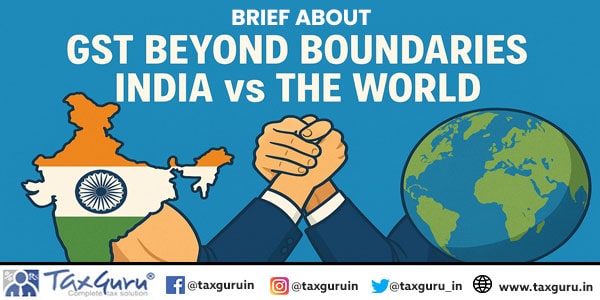
Compares India’s multi-rate, dual-structure GST with simplified global models and highlights why complexity arises from federal and socio-economic factors.
Analysis of GSTR-9 and 9C changes for FY 2024-25, including mandatory ITC segregation, new reversal disclosures, and detailed reconciliation requirements. Due date is Dec 31, 2025; exemption for turnover up to Rs.2 crore applies.
Explainer on why wholesalers avoid permanent 10% GST loss after rate cuts: ITC on 28% purchase offsets 18% output tax. Loss occurs only if ITC is ineligible.
A summary of India’s GST 2.0 reforms. The four-slab system is simplified to three, with rates lowered on essential and consumer goods to boost the economy.
Understand the GSTAT appeals process, including filing procedures, pre-deposit requirements, and the tribunal’s powers, as India’s GST dispute resolution framework evolves.
Understanding the process of GST audit, reviewing financial statements, and ensuring compliance with GSTR 9 & 9C. Key areas of focus for businesses.
Goods and Service tax is universally known as GST which is consumption based tax currently used in on the supply of goods and service. It is comprehensive tax because it has subsumed almost all the indirect tax except a few state taxes.
Understanding ITC limitations under GST: Learn about who can and cannot take credit for input tax charged on goods and services used in business.
E-way Bill Section 68 (Inspection of Goods in movement) of Goods and service Tax act read with rule 138 of the rules framed thereunder. Mandates that the Government may require that person in charge of a conveyance carrying any consignment of goods of value exceeding Rs.50000 carry with him such documents. Movement should be:- i) […]