
Month: June 2026
2,704 articlesIncome Tax
Income Tax
SC Remands Reassessment Cases as AY 2015-16 Notices May Be Time-Barred
Income Tax
Income Tax
ITAT Deletes Section 271D Penalty as AO Failed to Record Satisfaction in Assessment Order
Income Tax
Income Tax
ITAT Deletes 200% Penalty as Consultant’s Error Was a Bona Fide Arithmetical Mistake
Income Tax
Income Tax
Reassessment Invalid as Lower Depreciation Claim Caused No Income Escapement: Gujarat HC
Income Tax
Income Tax
DGCEI Information Cases Exempt from Monetary Limits Under CBDT Circular: Gujarat HC
Service Tax
Service Tax
Extended Limitation Cannot Apply if Department Itself Disputed CERA Audit Objection
Income Tax
Income Tax
Excess Royalty Refunded Under APA Cannot Be Taxed as Only Retained Amount Is Taxable: Bombay HC
Income Tax
Income Tax
Bombay HC Upholds Section 234D Interest on Pre-1 June 2003 Excess Refunds
Corporate Law
Corporate Law
Merely Challenging NCLT Procedure Cannot Bypass Statutory Appeal: Bombay HC
Income Tax
Income Tax
Karnataka HC Orders Encroachment Removal as Land Claim Was Already Rejected
Company Law
Company Law
Director Resignation Procedure under Companies Act, 2013 (Unlisted Public Company)
Corporate Law
Corporate Law
LLP Registration in India: Complete Guide with Costs & Compliance
Income Tax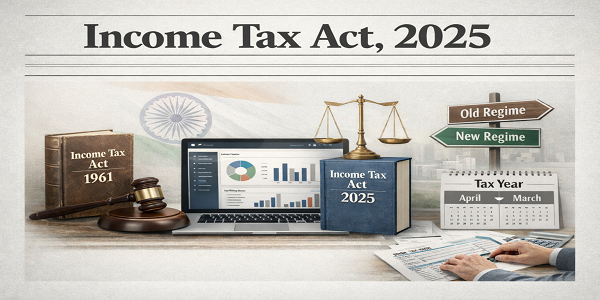
Income Tax
India’s Direct Tax Revolution: New Sections New Tax Slabs
Corporate Law
Corporate Law

