
Month: March 2026
2,081 articlesGoods and Services Tax
Goods and Services Tax
Clubbing Multiple Financial Years in One GST Notice Unsustainable Under CGST Act: Bombay HC
Corporate Law
Corporate Law
DRT Allows Bank’s Recovery Claim as Borrower Remained Ex Parte & Default Was Proven
Service Tax
Service Tax
AC Installation & HVAC Work not Pure Service if Materials Were Used & VAT Paid: CESTAT Hyderabad
Goods and Services Tax
Goods and Services Tax
No GST on Transfer of Leasehold Rights as this is Not a Supply of Services: Bombay HC
Income Tax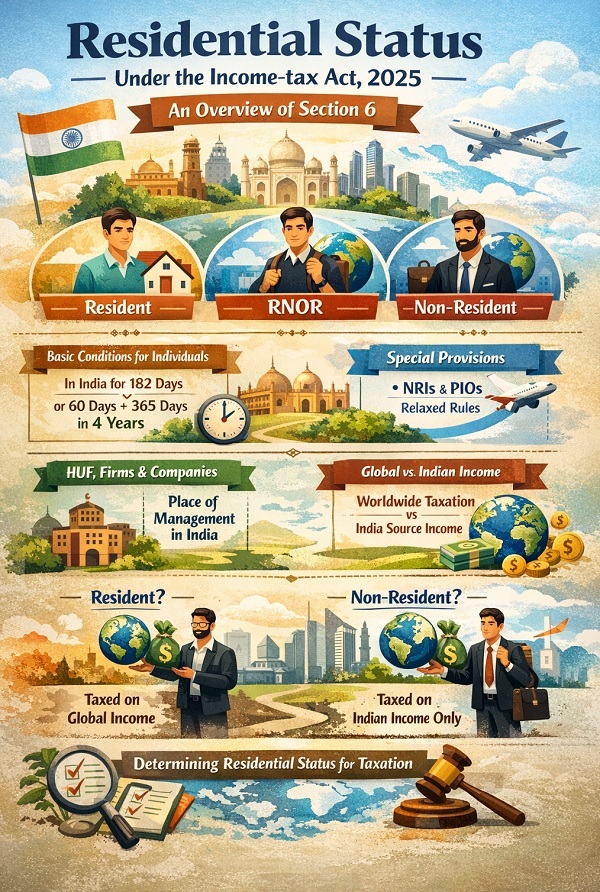
Income Tax
Residential Status under Income-tax Act, 2025 – An Overview of Section 6
Goods and Services Tax
Goods and Services Tax
GST Demand Order Quashed Because Interest Not Mentioned in SCN: Allahabad HC
Company Law
Company Law
Approved Resolution Plan couldn’t be reopened or remanded by CoC
Goods and Services Tax
Goods and Services Tax
Negative Blocking of GST Electronic Credit Ledger Invalid Because Rule 86A Applies Only to Available ITC
Income Tax
Income Tax
Interest on TDS Refund Allowed as AO Cannot Decide Delay Under Section 244A(2): Delhi HC
Income Tax
Income Tax

