
Month: March 2026
2,081 articlesCompany Law
Company Law
Application u/s. 59 of Companies Act rejected as issuance of share certificate not within its scope
Corporate Law
Corporate Law
Odisha–Zimbabwe Partnership: How a Strategic Alliance Could Accelerate Odisha’s Industrial Growth
DGFT
DGFT
DGFT Extends Export Obligation for Advance Authorisation & EPCG till 31st Aug 2026
Corporate Law
Corporate Law
EPFO Tightens Pension Conversion Compliance Because Earlier Guidelines Were Not Followed
Goods and Services Tax
Goods and Services Tax
Grant vs Subsidy Under GST: When Grant-in-Aid Becomes Taxable Consideration
Goods and Services Tax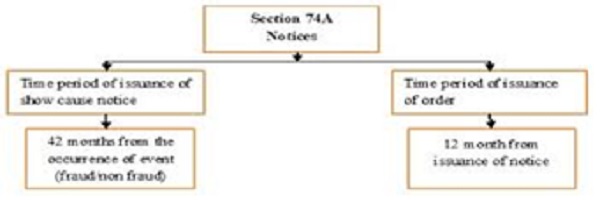
Goods and Services Tax
Unified GST Recovery Framework Introduced as Section 74A Merges Fraud & Non-Fraud Cases
Goods and Services Tax
Goods and Services Tax
GST Recovery Stayed Because Assignment of Leasehold Rights Issue Pending Before SC
Income Tax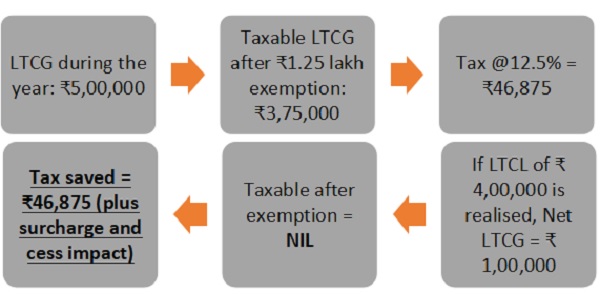
Income Tax
How Tax Loss Harvesting Helps Reduce Capital Gains Tax on Shares?
Goods and Services Tax
Goods and Services Tax
जीएसटी विवाद मार्गदर्शन: प्री-डिपॉजिट रिफंड अधिकार, धारा 74 दंड पर सुप्रीम कोर्ट की सीमित राहत और 100% जुर्माने से बचने की अनिवार्य शर्तें
Goods and Services Tax
Goods and Services Tax

