
Type: Featured
10,042 articlesIncome Tax
Income Tax
Representation for enhancement of monetary limit for SMC cases before ITAT
Corporate Law
Corporate Law
Client Liable for CA Fees: Bombay HC Confirms Cheque Bounce Case After 9 Years
Goods and Services Tax
Goods and Services Tax
14 Landmark GST Rulings of March 2026
Corporate Law
Corporate Law
Right To Be Considered For Promotion Is A Fundamental Right: P&H HC
Income Tax
Income Tax
Special Income Tax Audit Invalid Due to Lack of Proven Complexity in Accounts: Delhi HC
CA, CS, CMA
CA, CS, CMA
ICAI Cannot Dismiss Spouse Complaint as Family Dispute Without Examining Misconduct: Delhi HC
Income Tax
Income Tax
Penny Stock LTCG Not Bogus Based Only on Investigation Reports: ITAT Ahmedabad
Company Law
Company Law
ICSI Representation on Name Change for CSR-Registered Trusts
CA, CS, CMA
CA, CS, CMA
Compliance Calendar For The Financial Year 2026-27
Income Tax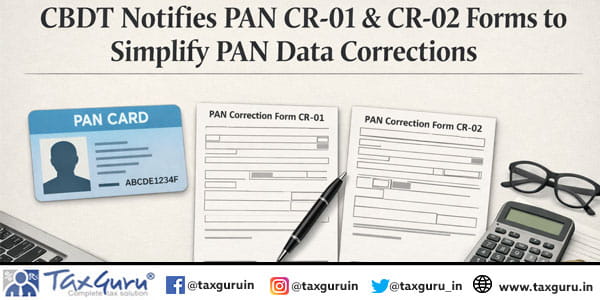
Income Tax
CBDT Notifies PAN CR-01 & CR-02 Forms to Simplify PAN Data Corrections
Fema / RBI
Fema / RBI
Banks Cannot Refuse Coins or Damaged Notes: RBI
Company Law
Company Law
₹2.5 Lakh Penalty Imposed for Failure to Appoint Independent Director from IICA databank
Income Tax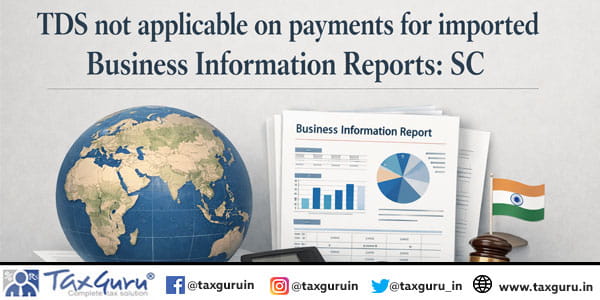
Income Tax
TDS not applicable on payments for imported Business Information Reports: SC
CA, CS, CMA
CA, CS, CMA

