
Type: Featured
10,042 articlesIncome Tax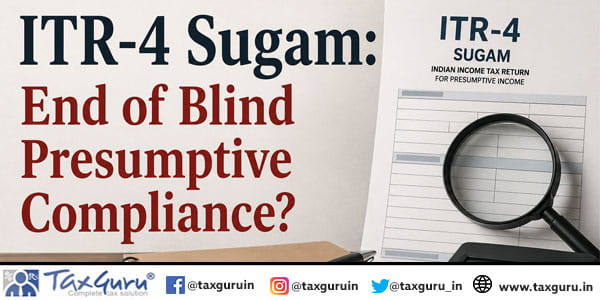
Income Tax
ITR-4 Sugam: End of Blind Presumptive Compliance?”
Income Tax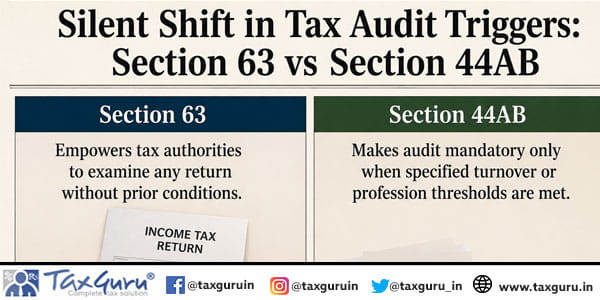
Income Tax
Silent Shift in Tax Audit Triggers: Section 63 vs Section 44AB
CA, CS, CMA
CA, CS, CMA
Empanelment of CA Firms as Concurrent Auditors with SBI, Hyderabad
Income Tax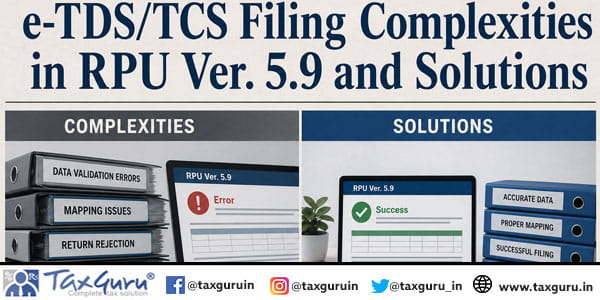
Income Tax
e-TDS/TCS Filing Complexities in RPU Ver. 5.9 and Solutions
Income Tax
Income Tax
On-Money Addition Deleted – No Evidence Beyond Third-Party Pen Drive & Statements
Income Tax
Income Tax
Section 68 Addition for Share Premium Addition Deleted due to Limited Scrutiny Breach
Income Tax
Income Tax
Full Section 54 Exemption Allowed – Pre-Purchase Payments Also Count Towards Investment
CA, CS, CMA
CA, CS, CMA
Analysis of Notifications and Circulars for Week Ending 19th April 2026
Goods and Services Tax
Goods and Services Tax
India’s Online Gaming Revolution; A Complete Guide to Promotion and Regulation of Online Gaming w.e.f May 1, 2026
Goods and Services Tax
Goods and Services Tax
OTP Failure on Tax Portal Delays Professional Tax Payments in Karnataka; Due Date Extension requested
Goods and Services Tax
Goods and Services Tax
Representation on Cancellation of GST Registration & Refund Processing
Goods and Services Tax
Goods and Services Tax
GSTR-9C FY25: Table 12B Redundant and Table 12F Mismatch
Company Law
Company Law
Delay in reporting outstanding receipts & loans in DPT-3: MCA levied Penalty
Company Law
Company Law

