
Type: Featured
10,042 articlesCorporate Law
Corporate Law
Public Examinations Bill Enhances Punishment & Fast-Track Trials for Paper Leaks
Income Tax
Income Tax
Tick-Tock! The 31st July ITR Alarm is Ringing – Is the Taxpayer Ready?
Income Tax
Income Tax
GSTR-2A Is Strong Evidence; Purchases Can’t Be Rejected Without Verification: Chennai ITAT
Income Tax
Income Tax
No Section 69 Addition on Basis of Unverified Excel Sheets & Pen Drive Data: Mumbai ITAT
Goods and Services Tax
Goods and Services Tax
CBIC, GSTN and GSTAT Issue Key GST Compliance Updates for July 2026
Company Law
Company Law
ICSI Seeks Eligibility of Company Secretaries as TDSAT Members
CA, CS, CMA
CA, CS, CMA
ICSI Seeks Eligibility of Company Secretaries as ATFE Members Under FEM
Income Tax
Income Tax
ITAT Allows Section 44ADA Benefit on CA Partner’s Professional Remuneration
Corporate Law
Corporate Law
Developer Cannot Delay Conveyance to Society Over Future FSI: Bombay HC
Company Law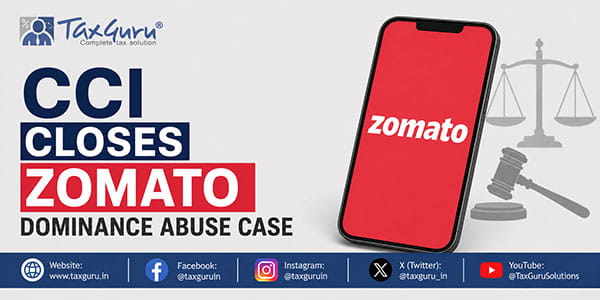
Company Law
CCI Closes Zomato Dominance Abuse Case
Income Tax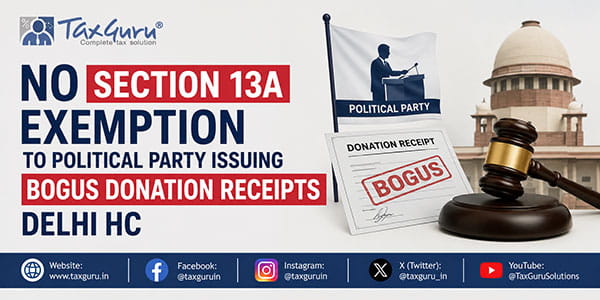
Income Tax
No Section 13A Exemption to Political Party Issuing Bogus Donation Receipts: Delhi HC
Corporate Law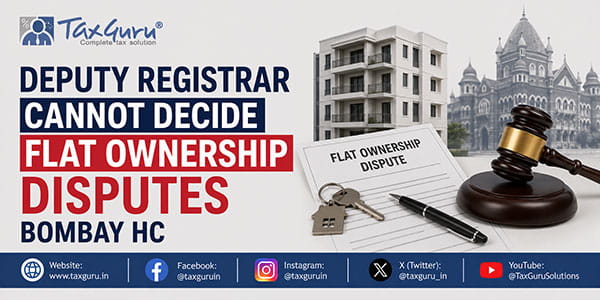
Corporate Law
Deputy Registrar Cannot Decide Flat Ownership Disputes: Bombay HC
Goods and Services Tax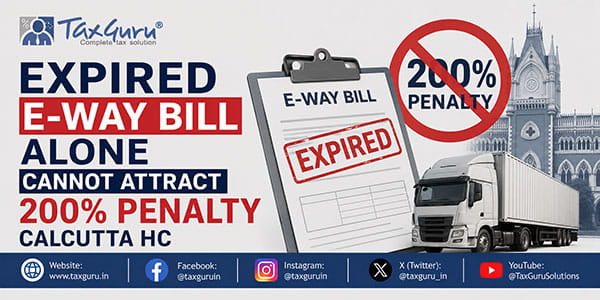
Goods and Services Tax
Expired E-Way Bill Alone Cannot Attract 200% Penalty Calcutta HC
Goods and Services Tax
Goods and Services Tax

