
#Section 250
Log in to FollowLatest Section 250 updates, provisions, case laws, compliance requirements, tax implications and expert analysis under Income-tax law on TaxGuru.
Income Tax
Income Tax
Rajkot ITAT Quashes Reassessment for Time-Barred Section 148 Notice
Income Tax
Income Tax
ITAT Restricts Section 14A Disallowance to Exempt-Income Yielding Investments
Income Tax
Income Tax
Form 26AS TDS Credit Cannot Be Denied Merely Because Income Is Clubbed in Spouse’s Hands: Kolkata ITAT
Income Tax
Income Tax
Kolkata ITAT Condones 59-Month Delay: Section 154 Rectification Pursuit Constitutes ‘Sufficient Cause’
Income Tax
Income Tax
Visakhapatnam ITAT Restores ₹80.66-Lakh Bank Deposit Additions: Housewife Gets Fresh Opportunity
Income Tax
Income Tax
Kolkata ITAT Deletes ₹90.84-Crore Section 69A Addition: Forex Turnover Not Unexplained Money
Income Tax
Income Tax
Rajkot ITAT Restricts Vehicle-Purchase Addition to 10%; Holds Section 115BBE Inapplicable
Income Tax
Income Tax
BSNL VRS Compensation Is Fully Exempt as Retrenchment Compensation: ITAT Pune
Income Tax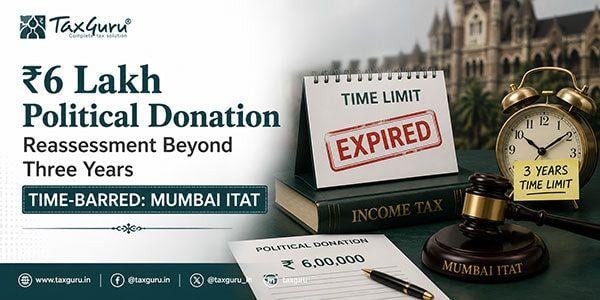
Income Tax
₹6 Lakh Political Donation Reassessment Beyond Three Years Time-Barred: Mumbai ITAT
Income Tax
Income Tax
AE Can Be Tested Party for RPM Benchmarking in Merchant Trading: ITAT Delhi
Income Tax
Income Tax
Sun Pharma’s ₹263.69 Crore LLP Capital Loss Claim Remanded for Valuation: ITAT Ahmedabad
Income Tax
Income Tax
Section 54 Exemption Denied Where New House Bought Solely in Wife’s Name: P&H HC
Income Tax
Income Tax
Ad Hoc Additions Without Specific Unaccounted Expenditure Unsustainable: ITAT Mumbai
Income Tax
Income Tax
Section 143(2) Notice Objection Rejected; ₹84 Lakh Section 68 Addition Sustained: ITAT Kolkata
Explore the latest Section 250 updates on TaxGuru, including relevant Income-tax Act provisions, rules, notifications, circulars, judicial decisions and compliance guidance. The coverage highlights important tax positions, procedural requirements, assessments, deductions, penalties and litigation developments to help taxpayers and professionals understand the practical implications of changes in income-tax law.

