
#Section 250
Log in to FollowLatest Section 250 updates, provisions, case laws, compliance requirements, tax implications and expert analysis under Income-tax law on TaxGuru.
Income Tax
Income Tax
Online Gaming ₹2.63-Crore Payout vs ₹2.94-Crore Buy-In Is Loss, Not Winnings U/s 115BB
Income Tax
Income Tax
5% Commission Formula Insufficient: Political Donation Allowed u/s 80GGC, Section 69A Addition Deleted
Income Tax
Income Tax
ITAT Remands Reassessment, Donation & Cash Deposit Issues for Speaking Order U/s 250(6)
Income Tax
Income Tax
ITAT Deletes Section 69A Addition, Allows Section 10(38) LTCG Despite Penny-Stock Suspicion
Income Tax
Income Tax
Revenue’s 15-Ground Appeal Fails as ITAT Upholds Consistency on Tax and Transfer Pricing Issues
Income Tax
Income Tax
Withdrawn Donation Claim Cannot Justify 200% Penalty u/s 270A: ITAT Ahmedabad
Income Tax
Income Tax
Reopening on “Cash Loan”, Addition for “Bogus LTCG” – Ahmedabad ITAT Quashes Reassessment U/s 147
Income Tax
Income Tax
Same Product Does Not Bar 80-IA/80-IB Deduction for New Unit: Delhi ITAT
Income Tax
Income Tax
Functionally Dissimilar BPO Comparables Excluded; Section 10A Relief Upheld: ITAT Delhi
Income Tax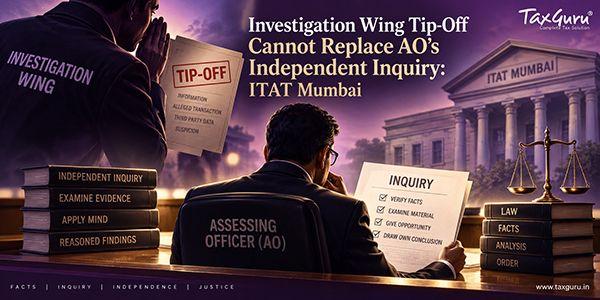
Income Tax
Investigation Wing Tip-Off Cannot Replace AO’s Independent Inquiry: ITAT Mumbai
Income Tax
Income Tax
No CGAS Deposit, Yet Section 54F Survives Where New House Is Bought Within Two Years
Income Tax
Income Tax
CIT(A) Cannot Echo AO: ITAT Restores Section 69A, Expenses & LTCG Issues for Fresh Examination
Income Tax
Income Tax
ITAT Grants Fresh Opportunity in Ex Parte Assessment as Evidence Was not Considered
Income Tax
Income Tax
TOLA Cannot Save Belated Reassessment for AY 2015-16: Gujarat HC
Explore the latest Section 250 updates on TaxGuru, including relevant Income-tax Act provisions, rules, notifications, circulars, judicial decisions and compliance guidance. The coverage highlights important tax positions, procedural requirements, assessments, deductions, penalties and litigation developments to help taxpayers and professionals understand the practical implications of changes in income-tax law.

