
#Section 250
Log in to FollowLatest Section 250 updates, provisions, case laws, compliance requirements, tax implications and expert analysis under Income-tax law on TaxGuru.
Income Tax
Income Tax
Section 69A Addition Remanded as Remand Report Not Supplied: ITAT Bangalore
Income Tax
Income Tax
ITAT Bangalore Allows Section 80P Deduction on Co-operative Bank Interest and Reserve Deposits
Income Tax
Income Tax
Unproved Opening Cash Balance Cannot Support Cash Deposit Explanation: ITAT Amritsar
Income Tax
Income Tax
Section 54F Exemption Cannot Be Denied for Using Other Funds: ITAT Agra
Income Tax
Income Tax
Karnataka HC Rejects ₹10 Crore Addition Based on Uncorroborated Loose Sheet
Income Tax
Income Tax
Cash Deposits Cannot Be Deemed Unexplained Without Examining Records: Karnataka HC
Income Tax
Income Tax
CIT(A) Cannot Dismiss Appeal Solely for Non-Appearance: Kerala HC
Income Tax
Income Tax
1679-Day Appeal Delay Condoned; Entire Trust Receipts Cannot Be Taxed Ignoring Expenditure: ITAT Pune
Income Tax
Income Tax
AO to Reconsider Alleged Double Taxation of Keyman Proceeds: ITAT Kolkata
Income Tax
Income Tax
ITO Lacking Pecuniary Jurisdiction Cannot Frame Reassessment: ITAT Kolkata
Income Tax
Income Tax
Jaipur ITAT upholds section 87A rebate on short-term capital gains under new regime
Income Tax
Income Tax
Form 10-IC Filing Allowed After Portal Glitch for Section 115BAA: ITAT Indore
Income Tax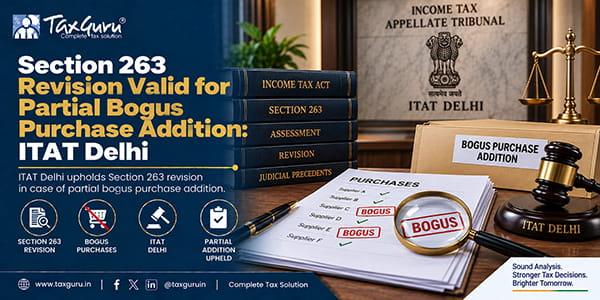
Income Tax
Section 263 Revision Valid for Partial Bogus Purchase Addition: ITAT Delhi
Income Tax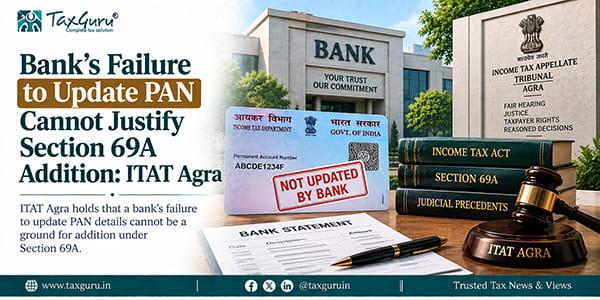
Income Tax
Bank’s Failure to Update PAN Cannot Justify Section 69A Addition: ITAT Agra
Explore the latest Section 250 updates on TaxGuru, including relevant Income-tax Act provisions, rules, notifications, circulars, judicial decisions and compliance guidance. The coverage highlights important tax positions, procedural requirements, assessments, deductions, penalties and litigation developments to help taxpayers and professionals understand the practical implications of changes in income-tax law.

