
#Section 250
Log in to FollowLatest Section 250 updates, provisions, case laws, compliance requirements, tax implications and expert analysis under Income-tax law on TaxGuru.
Income Tax
Income Tax
ITAT Cancels Reassessment Based Solely on Unverified ITBA Portal Information
Income Tax
Income Tax
Ahmedabad ITAT: AO Must Refer Disputed Stamp Duty Value to DVO Under Section 56(2)(x)
Income Tax
Income Tax
DVO Reference Mandatory for Section 56(2)(x) Stamp Duty Value Dispute: Mumbai ITAT
Income Tax
Income Tax
AY 2015-16 Reassessment Notice Issued After 31 March 2022 Is Time-Barred: ITAT Pune
Income Tax
Income Tax
Reassessment Quashed for Not Passing Speaking Order on Objections: Mumbai ITAT
Income Tax
Income Tax
Section 68 Addition Deleted on Property Advance Received & Refunded Through Banking Channels: ITAT Mumbai
Income Tax
Income Tax
Books Cannot Be Rejected Solely for Non-Maintenance of Qualitative Stock Records: Mumbai ITAT
Income Tax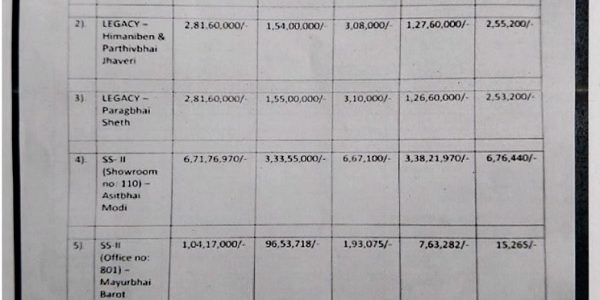
Income Tax
WhatsApp Brokerage Sheet Insufficient for Section 69 Addition: ITAT Ahmedabad
Income Tax
Income Tax
ITAT Allows Sun Pharma’s ₹602 Crore Patent Settlement Expense
Income Tax
Income Tax
Only 20% Profit on Unaccounted Builder Receipts Taxable: Ahmedabad ITAT
Income Tax
Income Tax
ITAT Upholds Tax on Notional Rent of Unsold Flats Held as Stock-in-Trade
Income Tax
Income Tax
ITAT Delhi Allows Foreign Tax Credit on Overseas Legal Fees
Income Tax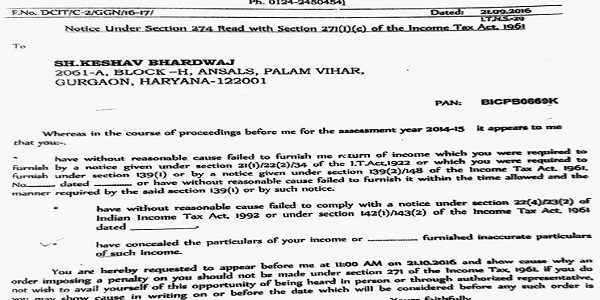
Income Tax
AO Failed to Specify Charge in Section 271(1)(c) Notice Penalty: Delhi ITAT
Income Tax
Income Tax
BSNL VRS Compensation Is Retrenchment Compensation Exempt U/s. 10(10B): Pune ITAT
Explore the latest Section 250 updates on TaxGuru, including relevant Income-tax Act provisions, rules, notifications, circulars, judicial decisions and compliance guidance. The coverage highlights important tax positions, procedural requirements, assessments, deductions, penalties and litigation developments to help taxpayers and professionals understand the practical implications of changes in income-tax law.

