
#Section 250
Log in to FollowLatest Section 250 updates, provisions, case laws, compliance requirements, tax implications and expert analysis under Income-tax law on TaxGuru.
Income Tax
Income Tax
ITAT Chandigarh Deletes Section 68 Addition on Demonetization Cash Sales
Income Tax
Income Tax
ITAT Kolkata Deletes Section 69A Addition on Explained Demonetisation Cash Deposits
Income Tax
Income Tax
ITAT Kolkata Upholds Electricity Transfer Value for Section 80IA Deduction
Income Tax
Income Tax
Order Date Not Service Date: ITAT Revives ₹87.28 Lakh Cash-Deposit Case
Income Tax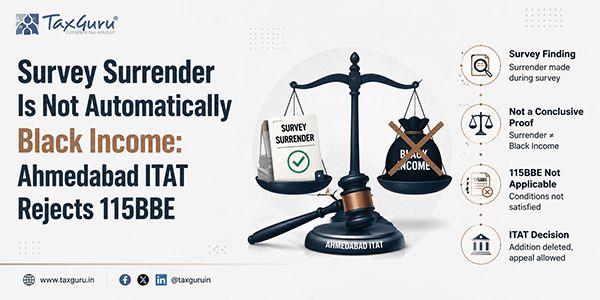
Income Tax
Survey Surrender Is Not Automatically Black Income: Ahmedabad ITAT Rejects 115BBE
Income Tax
Income Tax
Limitation Runs from Service, Not Mere Passing of Order: Bangalore ITAT
Income Tax
Income Tax
BSNL VRS Compensation Exempt Under Section 10(10B): Ahmedabad ITAT
Income Tax
Income Tax
Expenses After Business Setup but Before Operations Are Deductible: Ahmedabad ITAT
Income Tax
Income Tax
SBI Not Assessee-in-Default for Following HC No-TDS Direction on LTC
Income Tax
Income Tax
No Section 201 TDS Default When SBI Followed Binding HC Order: ITAT Ahmedabad
Income Tax
Income Tax
Cash With Mother and Minor Children Cannot Be Rejected Ignoring Social Realities: ITAT Mumbai
Income Tax
Income Tax
Section 271D Penalty Deleted as Co-Sharer Got Relief in Same Transaction: ITAT Ahmedabad
Income Tax
Income Tax
Cash Deposits From Recorded Sales Cannot Be Added Without Rejecting Books: Chandigarh ITAT
Income Tax
Income Tax
ITAT Jodhpur Condones 118-Day Delay and Remands Section 68 Addition for Fresh Verification
Explore the latest Section 250 updates on TaxGuru, including relevant Income-tax Act provisions, rules, notifications, circulars, judicial decisions and compliance guidance. The coverage highlights important tax positions, procedural requirements, assessments, deductions, penalties and litigation developments to help taxpayers and professionals understand the practical implications of changes in income-tax law.

