
Courts: Telangana High Court
Find latest Telangana High Court judgments, orders and case laws on Income Tax, GST, Customs, Company Law and other taxation and commercial matters.
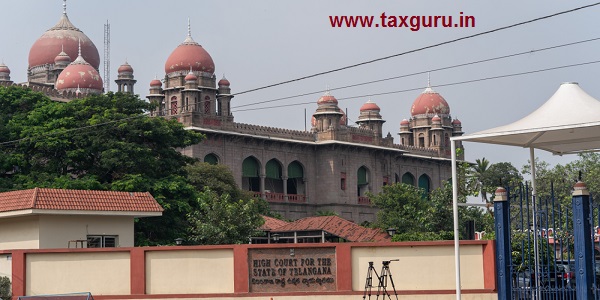
Telangana HC Allows Delayed GST Appeal & Grants Interim Protection from Recovery
SEZ IGST Refund Challenge Not Entertained; Petitioner Directed to Pursue Statutory Appeal: Telangana HC
GST Registration SCN Challenge Disposed; Authority Directed to Complete Proceedings: Telangana HC
GST Refund Rejection Set Aside for Reconsideration in Light of Binding Precedents: Telangana HC
Section 11 Exemption Restored as Section 13 Violation Not Established: Telangana HC

Wrong Destination Alone Cannot Justify GST Detention of Inter-State Goods: Telangana HC
Section 73 GST Order Challenge Disposed with Liberty to File Delayed Appeal: Telangana HC
GST Registration Cancellation Challenge Disposed with Liberty for Statutory Appeal: Telangana HC
GST Registration Revocation Application Permitted After Time-Barred Appeal: Telangana HC
Provisional Release of Seized Imported Goods Allowed on Conditional Compliance: Telangana HC
Fresh SCN After Remand Impermissible Under Section 74: Telangana HC
Service Tax Order Set Aside as Authorities Cannot Choose Rule 6(3) Option for Assessee
Writ Petition Disposed as Statutory GST Appeal Remedy Was Available: Telangana HC

Writ Petition Against SEZ IGST Refund Rejection Not Maintainable Due to Alternative Remedy
Telangana High Court judgments and orders cover significant taxation, corporate, commercial and regulatory disputes. This TaxGuru page brings together Telangana High Court case laws concerning Income Tax, GST, Customs, input tax credit, refunds, tax demands, reassessment, penalties, Company Law and other legal matters. Taxpayers, companies, Chartered Accountants, advocates and tax professionals can use the collection to research judicial precedents and monitor important legal developments. TaxGuru publishes recent and significant earlier Telangana High Court decisions with summaries and analysis explaining the issues and legal principles involved. The page serves as a convenient resource for readers researching taxation and business-related litigation before the Telangana High Court.

