
Courts: NCLAT
Read latest NCLAT judgments and orders on insolvency, IBC, company law, corporate disputes, competition matters and other appellate proceedings.
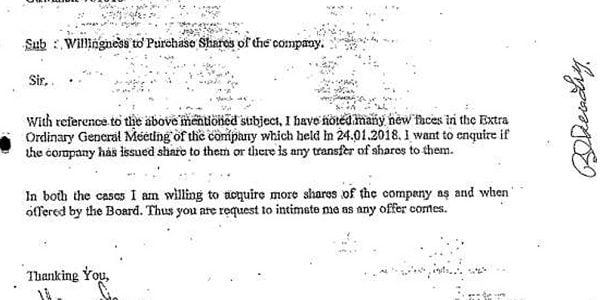
NCLAT Delhi Voids Share Transfers Made Contrary to Articles of Association
SFIO Report Admissible in Companies Act Section 212(14A) Proceedings: NCLAT

NCLAT Dismissed Section 213 Petition Over Unsubstantiated Fraud Allegations

NCLAT Delhi Dismisses Section 7 Plea as Financial Debt Had Not Become Due

NCLAT Admits Appeal Against Section 244 Waiver for IMPPA Members
NCLAT Upholds Companies Act Section 213 Investigation Based on Prima Facie Material
NCLAT Upholds Rejection of Section 213 Petition as Dispute Was for Recovery of Dues
Loan Secured by Sale Agreement Is Financial Debt: NCLAT Allows Section 7 Petition
NCLAT Sets Aside LLP Amalgamation into Company Approved Under Sections 230–232
NCLT Dispenses Shareholders’ Meetings in Rubamin Demerger Scheme
NCLT Ahmedabad Allows Reissue of Preference Shares as Redemption Profits Were Unavailable
NCLAT Suspends IBBI Order Barring Resolution Professional From Other CIRP Assignments
Manipulation of Statutory Records to Usurp Shareholding Is Oppression: NCLAT Delhi
NCLAT Allows Expungement of Strictures Against Resolution Professional in CIRP Proceedings
NCLAT brings together judgments and orders of the National Company Law Appellate Tribunal published on TaxGuru. The archive covers appeals involving the Insolvency and Bankruptcy Code, company law, corporate insolvency resolution, liquidation, oppression and mismanagement and other matters falling within NCLAT’s jurisdiction, including applicable competition-law proceedings. Insolvency professionals, companies, creditors, resolution applicants, Chartered Accountants, Company Secretaries and advocates can use this category to research NCLAT precedents and follow important developments in insolvency and corporate jurisprudence.

