
Courts: NCLAT
Read latest NCLAT judgments and orders on insolvency, IBC, company law, corporate disputes, competition matters and other appellate proceedings.
NCLAT Upholds Extinguishment of Pre-CIRP Shares Under Approved Resolution Plan

Belated Revaluation Challenge Cannot Reopen Approved CIRP: NCLAT Delhi

NCLAT Restores Right to File Reply in Section 9 IBC Proceedings Despite Counsel’s Procedural Default

NCLAT Rejects Third-Party Objection to Disclosure of Mall Revenue Records
NCLAT Maintains Status Quo in Family Oppression Dispute Pending Share Valuation
NCLAT Upholds NIL Payment to Operational Creditor Under Approved Resolution Plan
Section 98 Cannot Be Invoked Without Proving EGM Is Impracticable: NCLAT Chennai
Subsequent Typographical Correction Does Not Restart IBC Appeal Limitation: NCLAT
NCLAT Stays NCLT Directions on 83.97% CoC-Approved AKB Ventures Resolution Plan

NCLAT Delhi Majority Upholds Easementary Right of Way During IBC Liquidation
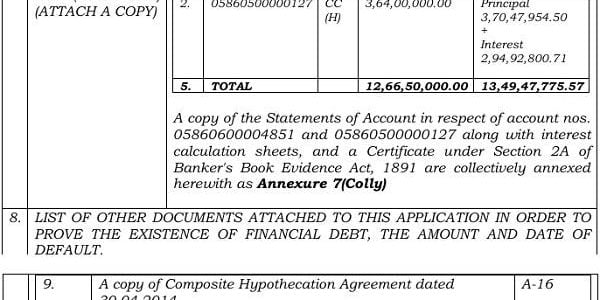
Information Utility Default Registration Not Mandatory for Section 7 Admission: NCLAT
NCLAT Allows Oppression Petition Where 4 of 30 Members Filed
NCLT Rectification Order Does Not Restart IBC Appeal Limitation: NCLAT Delhi
Section 7 IBC Plea Time-Barred as Unsupported Default Date Cannot Extend Limitation: NCLAT
NCLAT brings together judgments and orders of the National Company Law Appellate Tribunal published on TaxGuru. The archive covers appeals involving the Insolvency and Bankruptcy Code, company law, corporate insolvency resolution, liquidation, oppression and mismanagement and other matters falling within NCLAT’s jurisdiction, including applicable competition-law proceedings. Insolvency professionals, companies, creditors, resolution applicants, Chartered Accountants, Company Secretaries and advocates can use this category to research NCLAT precedents and follow important developments in insolvency and corporate jurisprudence.

