

Articles by this Author
Goods and Services Tax
Goods and Services Tax
Delhi HC Declines Interference in GST Audit File Transfer to Anti-Evasion Wing
Goods and Services Tax
Goods and Services Tax
Same GST Officer Cannot Audit and Adjudicate: Karnataka HC
Income Tax
Income Tax
Rule 68B Cannot Revive Time-Barred Property Sale Proceedings: Madras HC
Income Tax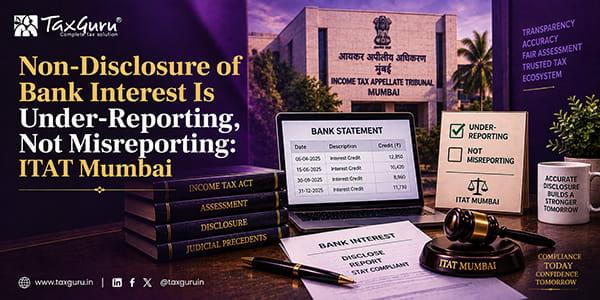
Income Tax
Non-Disclosure of Bank Interest Is Under-Reporting, Not Misreporting: ITAT Mumbai
Income Tax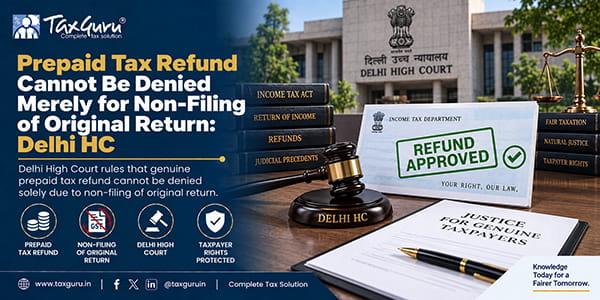
Income Tax
Prepaid Tax Refund Cannot Be Denied Merely for Non-Filing of Original Return: Delhi HC
Corporate Law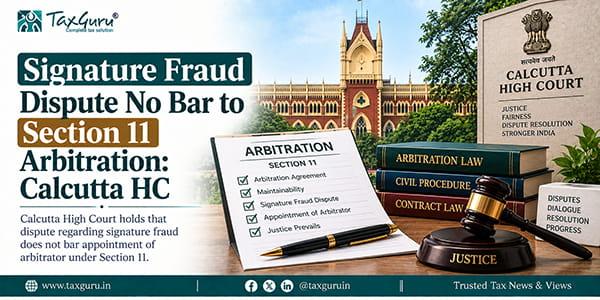
Corporate Law
Signature Fraud Dispute No Bar to Section 11 Arbitration: Calcutta HC
Goods and Services Tax
Goods and Services Tax
Bombay HC Orders Release of Goods After GST Prohibition Period Ends
Income Tax
Income Tax
Delay in Form 10B Filing Cannot Deny Section 11 Exemption to Trust: ITAT Panaji
Income Tax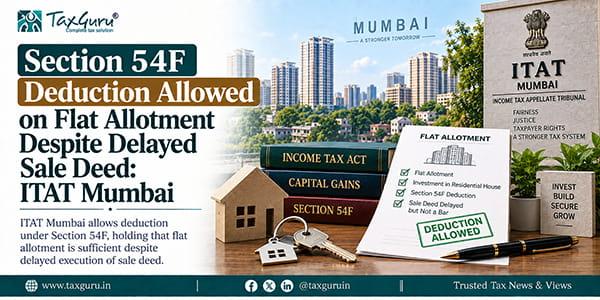
Income Tax
Section 54F Deduction Allowed on Flat Allotment Despite Delayed Sale Deed: ITAT Mumbai
Goods and Services Tax
Goods and Services Tax
Madras HC Allows GST Registration Revival Subject to Tax Compliance
Goods and Services Tax
Goods and Services Tax
Section 61 Scrutiny Not Mandatory Before Section 74A GST Notice: Allahabad HC
Income Tax
Income Tax
Penalty Deleted as Section 271(1)(c) Notice Failed to Specify Charge: ITAT Delhi
Income Tax
Income Tax
Form 26A Verification Ordered for TDS Default on HUDCO Interest: ITAT Jaipur
Income Tax
Income Tax

