

Articles by this Author
Income Tax
Income Tax
CIT(A) Cannot Replace Section 68 for Section 69A Without Hearing: ITAT Raipur
Goods and Services Tax
Goods and Services Tax
Consolidated GST Show Cause Notices for Multiple Years Invalid: Kerala HC
Corporate Law
Corporate Law
Section 138 Acquittal Upheld as Legally Enforceable Debt Not Proved: Calcutta HC
Goods and Services Tax
Goods and Services Tax
Section 74 GST Proceedings Valid; Assessment Remanded for Computation Errors: Madras HC
Corporate Law
Corporate Law
Bombay HC Orders Status Quo on DRT Recovery Pending Encumbrance Issue
Service Tax
Service Tax
Service Tax Refund Remanded for Proof Tax Was Not Collected From Lessee: CESTAT Kolkata
Goods and Services Tax
Goods and Services Tax
Composite GST SCN for Multiple Assessment Years Quashed: Kerala HC
Goods and Services Tax
Goods and Services Tax
Section 79 Recovery From Partner’s Bank Account for Firm’s GST Dues Upheld: Madras HC
Goods and Services Tax
Goods and Services Tax
Section 74 Order Quashed for Imposing 100% Penalty Instead of Section 74A: Madras HC
Goods and Services Tax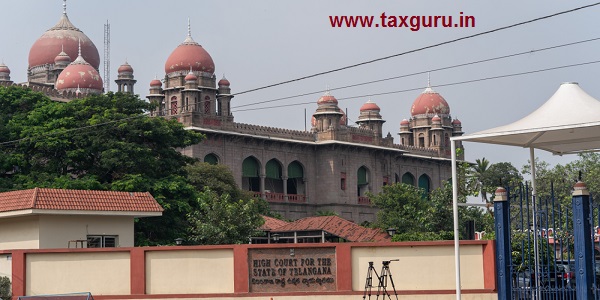
Goods and Services Tax
Fresh SCN After Remand Impermissible Under Section 74: Telangana HC
Goods and Services Tax
Goods and Services Tax
Section 74(5) Benefit Cannot Be Denied for Non-Issuance of DRC-01A: Allahabad HC
Goods and Services Tax
Goods and Services Tax
GST Cancellation Set Aside for Invalid Section 169 Notice Service: Patna HC
Goods and Services Tax
Goods and Services Tax
User Charges Collected Beyond Statutory Fees Not Exempt: GST Telangana AAR
Income Tax
Income Tax

