

Articles by this Author

Goods and Services Tax
Representation on ITC denial for supplier defaults, Rule 37A & 180-day reversal
Goods and Services Tax
Section 16(2)(c) and 180 Day Rule: How GST Makes Genuine Buyers Pay Twice
Goods and Services Tax
Section 16(2)(c) CGST Act: Why Genuine Buyers Are Losing ITC Despite Valid Transactions
Goods and Services Tax
Failure to File GST Returns Can Be Treated as Wilful Suppression: Sriba Nirman Case
Goods and Services Tax
Karnataka HC Protects Genuine Buyers from ITC Denial Due to Supplier Default
Goods and Services Tax
Why Taxpayers Must Say “No” To Bogus ITC & Manipulated GSTR 3B ?
Goods and Services Tax
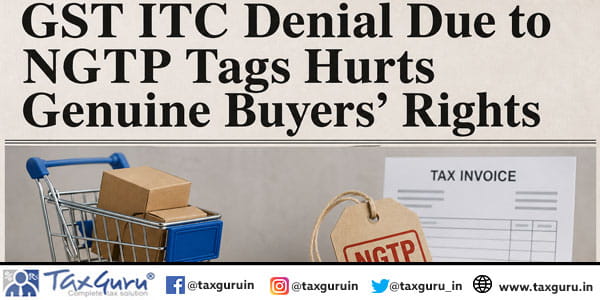
GST ITC Denial Due to NGTP Tags Hurts Genuine Buyers’ Rights
Goods and Services Tax
GST NGTP Tag Cannot Alone Justify ITC Denial Without Proper Inquiry
Goods and Services Tax
GST Enforcement Excesses: Misuse of Section 130 Against Genuine Taxpayers
Goods and Services Tax
GST registration Suspension & Cancellation Notices: When Procedure Becomes Punishment
Goods and Services Tax
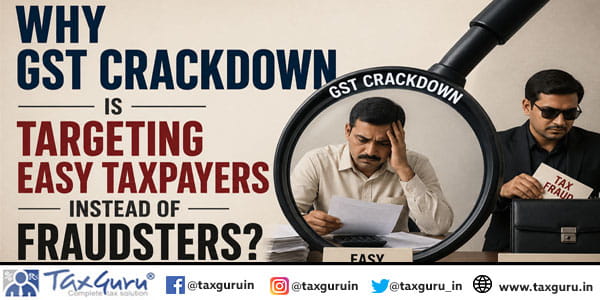
Why GST Crackdown Is Targeting Easy Taxpayers Instead of Fraudsters?
Goods and Services Tax
Real Masterminds vs Soft Targets: What ₹1,825 Crore GST Scam Teaches Us
Goods and Services Tax

