About
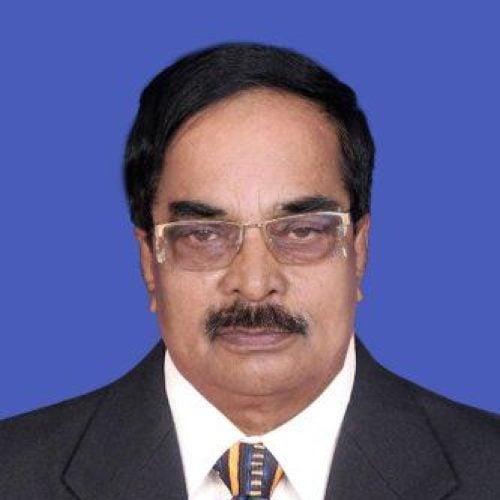
I, S. Prasad, am a Senior Tax Consultant with continuous practice since 1982 in the fields of Sales Tax, VAT and Income Tax, and now under the GST regime. Over more than four decades, I have specialised in advisory, compliance and litigation support, representing assessees before Jurisdictional Officers, First Appellate Authorities and various Tribunals in indirect and direct tax matters. My practice has spanned the transition from the erstwhile sales tax and VAT laws to the present GST framework, giving me a comprehensive perspective on the evolution of tax jurisprudence and departmental procedures in India.
I am presently residing at No. 394, “Sridhara Krupa”, Opp. Mahaveera Vidya Mandira, LIC Colony, Srirampura II Stage, Mysore – 570023, Karnataka, from where I continue my independent practice. I have actively appeared in matters before authorities in Mysore, Bangalore and Mangalore, handling assessments, audits, appeals and tribunal cases under Income Tax, Sales Tax, VAT and GST. My work includes extensive drafting of replies to show cause notices, appeal memoranda, written submissions, and reliance on important High Court and Tribunal precedents to protect the interests of bona fide taxpayers.
Over the years, I have also been involved in professional bodies and knowledge sharing activities, including serving as Ex President of the Mysore District Tax Practitioners Association, contributing to the professional community of tax consultants and advocates in the region. In the GST era, a substantial part of my work focuses on defending genuine taxpayers in audits, fake ITC and cancellation matters, and on analysing key provisions such as Sections 16, 29, 67, 69, 74 and 122, with particular emphasis on safeguards, burden of proof under Section 155, and the protection of bona fide recipients and professionals.