The Jharkhand High Court held that police cannot refuse to register Zero FIRs on jurisdictional grounds. It directed strict enforcement, including departmental and penal action against officers violating the statutory mandate.
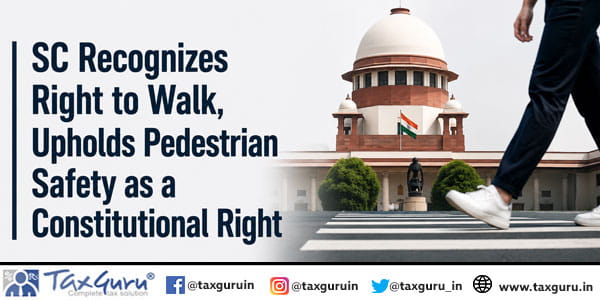
The Supreme Court held that the right to walk and use safe footpaths is a fundamental constitutional right under Articles 19 and 21. The ruling prioritizes pedestrian rights over motor vehicle movement and calls for stronger legal protection.
The article examines how the Supreme Court elevated rehabilitation of trafficking survivors to a constitutional entitlement under Articles 21 and 23. The key takeaway is that survivor protection can no longer depend solely on government discretion.
The Supreme Court acknowledged homemakers as nation builders and held that their unpaid domestic labour has immense economic value. The ruling introduces a separate compensation framework recognising the loss suffered by families.
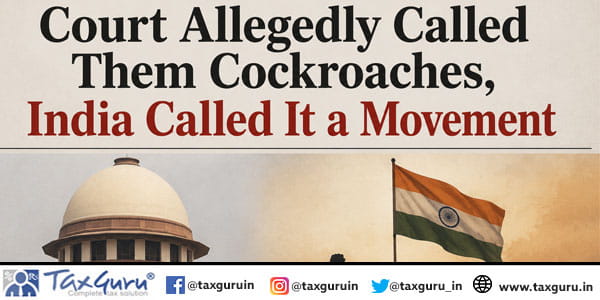
The article analyzes how controversial judicial remarks, despite later clarification, triggered a massive online movement reflecting youth frustration over unemployment, institutional distrust, and lack of opportunities.
The article examines whether Telangana’s new Advocates Protection Act can effectively curb violence, harassment, and malicious prosecution against lawyers. It highlights the Act’s strengths while questioning enforcement challenges and the absence of fast-track courts.
The court ruled that using a registered trademark as a keyword to divert online traffic can amount to trademark infringement. The key takeaway is that invisible keyword use may attract liability when it exploits a brand’s commercial reputation.
The article examines how financial hardship, weak institutional support and bureaucratic delays prevent talented Indian athletes from fully participating at the global level. It argues that systemic neglect continues despite public celebration of sporting success.