
Month: June 2026
2,704 articlesCorporate Law
Corporate Law
Digital Media Law and Indian Cinematography: An Overview
Income Tax
Income Tax
Can Capital Gains Exemption Be Claimed If House Is Bought in Spouse’s/Family Members Name?
Goods and Services Tax
Goods and Services Tax
Invoice Not Reflecting in GSTR-2B? Steps Buyers Should Take to Protect ITC
Goods and Services Tax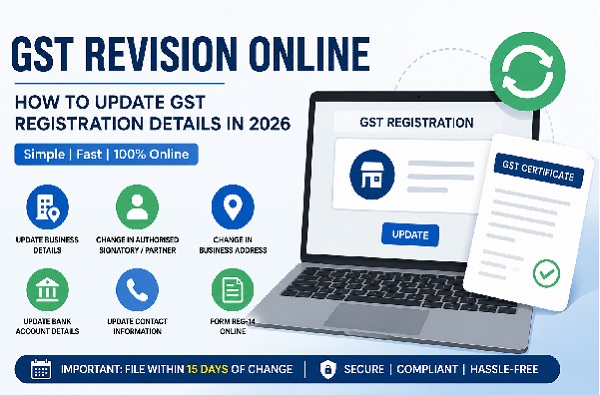
Goods and Services Tax
How to Amend GST Registration Online & Update Business Information
Goods and Services Tax
Goods and Services Tax
Haryana One Time Settlement Scheme 2026 for Entry Tax Dues: A Practical Alternative to Litigation
Income Tax
Income Tax
Section 43B(h): MSME Payment Clause Every Business Must Understand
Corporate Law
Corporate Law
Appeal Dismissed as Society Levied Maintenance on Square-Foot Basis Without Transparency
Corporate Law
Corporate Law
Madras HC Restrains Church Construction Near 100-Year-Old Mariyamman Temple in Coimbatore
Income Tax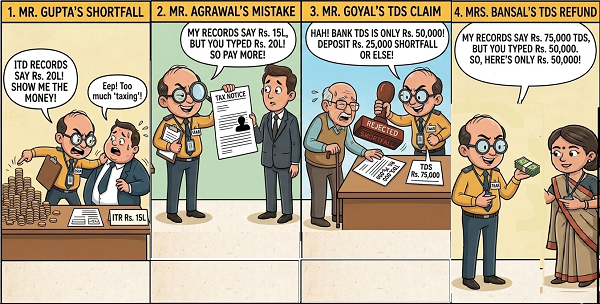
Income Tax
Income Tax Department: Double Standards
Finance
Finance
Generate Cinematic Brand Stories for Artisan Perfume Houses with AI
Income Tax
Income Tax
Section 68 Addition Deleted as Loan Genuineness & Creditworthiness Established
Income Tax
Income Tax
Section 68 Addition Upheld as Loans Were Accommodation Entries: ITAT Mumbai
Income Tax
Income Tax
ITAT Quashes Reassessment as AO Invoked Section 147 Instead of Section 153C
Income Tax
Income Tax

