
Month: June 2026
2,704 articlesGoods and Services Tax
Goods and Services Tax
Allahabad HC Rejects Recall Plea as No Ground Was Made Out
Income Tax
Income Tax
ITAT Quashes Section 153C Assessments as Proceedings Were Barred by Limitation
Goods and Services Tax
Goods and Services Tax
Calcutta HC Grants Fresh Hearing as GST SCN Was Not Received
Income Tax
Income Tax
ITAT Deletes Demonetization Cash Deposit Addition as Books & VAT Records Were Accepted
Goods and Services Tax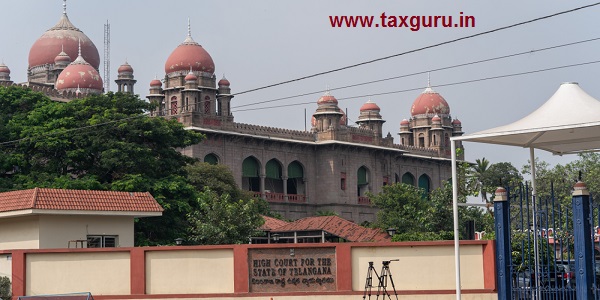
Goods and Services Tax
Telangana HC Refuses to Quash GST Cancellation SCN Where Taxpayer Filed Detailed Reply
Income Tax
Income Tax
Telangana HC Restores Income Tax Appeals After Vivad Se Vishwas Lapse
Goods and Services Tax
Goods and Services Tax
Telangana HC Refuses Writ as GSTAT Becomes Functional for Appeals
Income Tax
Income Tax
Bangalore ITAT: TDS Credit Cannot Be Denied Merely Because It Was Omitted in Original Return
CA, CS, CMA
CA, CS, CMA
ICAI Board Reprimands CA for Client Solicitation and Audit Ethics Breach
Goods and Services Tax
Goods and Services Tax
GST Enforcement on Autopilot: How Bonafide Buyers Are Being Crushed in Karnataka
Goods and Services Tax
Goods and Services Tax
Mere GSTR-1 & 3B Mismatch Cannot Automatically Trigger Section 74 Proceedings: GSTAT
CA, CS, CMA
CA, CS, CMA
ICAI Board Reprimands CA for Client Solicitation & Questioning Successor’s Competence
Company Law
Company Law
ROC Mumbai Imposes ₹10,000 Penalty for Incorrect MGT-7A Financial Year Details
Company Law
Company Law

