
Month: June 2026
2,704 articlesCA, CS, CMA
CA, CS, CMA
Merchant Trade Transactions (MTT): How Indian Traders Earn in Dollars Without a Single Box Touching Indian Soil
CA, CS, CMA
CA, CS, CMA
ICAI Reprimands CA for Client Solicitation and Audit Misconduct
CA, CS, CMA
CA, CS, CMA
ICAI Reprimands CA for Soliciting Clients and Accepting Audits Without NOC
Corporate Law
Corporate Law
The Startup Funding Dilemma: Convertible Notes vs iSAFEs
Finance
Finance
Valuation Challenges in Startup Fundraising
Income Tax
Income Tax
Assessment on Amalgamated Bank’s Predecessor Held Void; ITAT Quashes Order Passed in Name of Non-Existent Syndicate Bank
Income Tax
Income Tax
Belated Return Filed in Response to Section 148 Cannot Revive Section 80P Deduction: Bangalore ITAT
CA, CS, CMA
CA, CS, CMA
ICAI Reprimands CA for Audit Solicitation and Disparaging Successor
Income Tax
Income Tax
Section 154 Cannot Be Used to Make Fresh Disallowance of Asset Write-Off Claim: Bangalore ITAT
Corporate Law
Corporate Law
Section 66 IBC Expanded as NCLAT Recognised Third-Party Liability
Income Tax
Income Tax
Second Form 10AB Application Maintainable; CIT(E) Cannot Reject Registration Solely Because Earlier Rejection Was Not Challenged
Corporate Law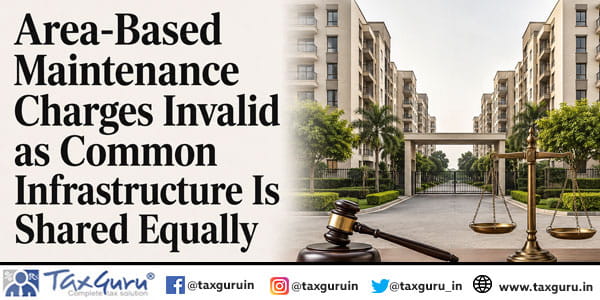
Corporate Law
Area-Based Maintenance Charges Invalid as Common Infrastructure Is Shared Equally
Income Tax
Income Tax
ITAT Quashes Two Reassessments: Time-Barred Assessment and Second Section 148 Notice During Pendency of Earlier Reassessment Held Invalid
Income Tax
Income Tax

