Smt. Subbalakshmi Kurada Vs DCIT (ITAT Bangalore) In , the ITAT Bangalore deleted penalty under Section 271(1)(c), holding that mere disallowance or change in head of income does not amount to concealment or furnishing inaccurate particulars. The assessee had: Shown rental income partly as rent and partly as hire charges (under business income) Claimed Section […]
The Court granted interim relief in a petition challenging GST under RCM on development rights. It recognized the issue as already under judicial scrutiny in a similar case.
The Court granted interim relief as the issue matched an earlier pending case. It ensured consistency in judicial approach and protected the taxpayer.
ECGC payouts in INR do not qualify as export proceeds under GST and FEMA laws. Exporters must secure AD bank write-offs to avoid refund recovery and interest liability.
ITAT Bangalore upholds restricting TP adjustment only to AE transactions, dismissing Revenues appeal. Confirms capacity, working capital adjustments and consistency in forex/provision treatment.
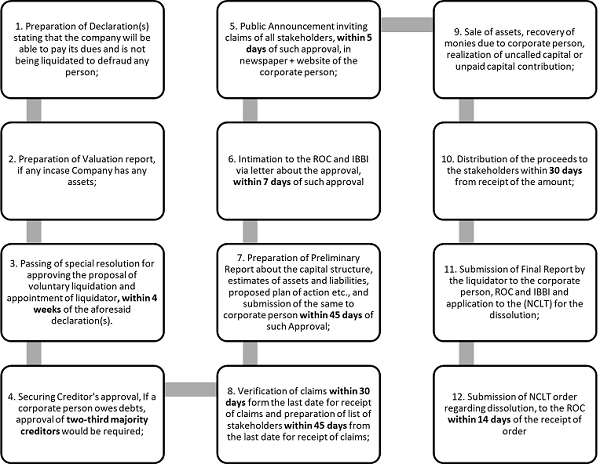
The framework permits liquidation only where the company has not defaulted on debts and can pay liabilities. It ensures a clean and fraud-free exit for solvent entities under a regulated process.
The issue was whether unregistered individuals could exercise appellate rights. The Court held that procedural hurdles like absence of login access must be resolved, ensuring effective and meaningful remedy.
This case explains the importance of using SIP calculators for estimating mutual fund returns. It highlights that such tools provide guidance, not guarantees, helping investors plan with realistic expectations.
The issue was denial of ITC transfer due to different State registrations of entities. The Court ruled that no such restriction exists under Section 18(3) and Rule 41, making the portal condition invalid. The key takeaway is that statutory provisions override administrative limitations.
The amendment introduces strict personal liability for senior management in maintaining cost records. It ensures accountability by imposing penalties for non-compliance, especially in listed companies. The move strengthens governance and data accuracy.