The case explains how dividend income is taxed based on residential status and type of investment. It clarifies slab-based taxation for residents and special rates for non-residents, highlighting limited deductions.
The case highlights that TDS applies to multiple income categories including salary, interest, and contracts. It reiterates that failure to deduct or deposit TDS results in assessee-in-default consequences and penaltie
The Court granted bail as the accused had completed over one-third of the maximum sentence without trial progress. It reinforced mandatory application of statutory and Supreme Court guidelines.
The Court set aside the Tribunals order as it relied on a precedent later reversed by the Supreme Court. The matter was remanded for fresh determination based on correct legal principles.
The Tribunal held that washing, screening, and impurity removal convert ore into concentrate under deeming provisions. As a result, exemption applicable only to ores was denied.
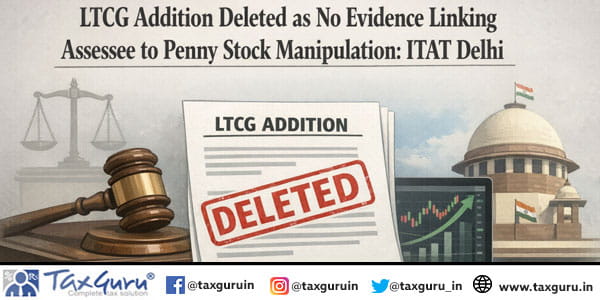
The Tribunal held that mere classification of shares as penny stock is insufficient to deny LTCG exemption. In absence of evidence linking the assessee to manipulation, the addition under Section 69A was deleted.
The Supreme Court issued notice on whether the High Court’s ruling effectively reintroduces a verification requirement under amended Section 148A. The case raises questions on the scope of reassessment powers.
The tribunal held that exemption under Notification No. 42/2012 cannot be denied when substantive conditions are met. Minor procedural lapses were found insufficient to reject the claim.
The Allahabad High Court allowed appeal filing before the GST Tribunal after its constitution. It held that appeals filed by June 30, 2026, must be accepted without limitation objections.
The judgment clarifies that subsequent departmental communications do not extend limitation periods. The appeal must be filed against the original order within statutory timelines.