The amendments streamline IPO compliance and improve disclosure usability. Key takeaway: SEBI enhances ease of doing business while making IPO documents more accessible to retail investors.
The issue highlights why most retail traders fail in financial markets. The content explains that structured education and disciplined risk management are essential for consistent trading perfor-mance.
The case addressed whether a special audit can be ordered without establishing complexity or defects in accounts. The Court examined whether mechanical invocation of Section 142(2A) without proper justification is legally sustainable.
The Court ruled that the reassessment notice was invalid as it exceeded the statutory 10-year limit under Section 153A. It clarified that the search year must be included in computing the extended limitation period.
The issue involved denial of LTCG exemption based on allegations of penny stock manipulation. The Tribunal held that without direct evidence or nexus, such additions cannot be sustained.
The case examined whether separate penalties under CGST and SGST were permissible. The Court ruled such imposition unjustified and restricted the penalty to ₹25,000.
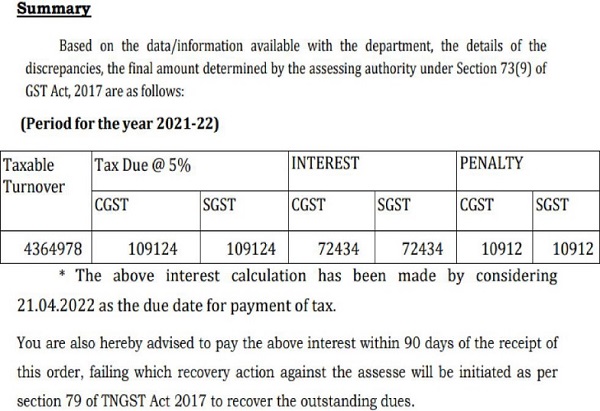
The case shows that failure to respond to GST notices led to tax demand even for exempt supplies like raw milk. Authorities presumed taxability due to lack of evidence. Timely replies and documentation are crucial to avoid such outcomes.
The paper shows that loan fraud persists due to enforcement failures, not lack of legal provisions. It highlights delays in detection, weak forensic systems, and fragmented supervision as key issues.
The structure allows companies to keep project debt off their balance sheets while limiting liability. However, lenders rely only on project assets and cash flows, increasing their exposure if the subsidiary fails.
GSTAT serves as the second appellate authority with defined procedures and timelines. Compliance with filing and pre-deposit rules is essential.