
#Section 250
Log in to FollowLatest Section 250 updates, provisions, case laws, compliance requirements, tax implications and expert analysis under Income-tax law on TaxGuru.
Income Tax
Income Tax
Pune ITAT Reduces Gross Profit Rate from 10% to 7%; Arbitrary Estimation Rejected
Income Tax
Income Tax
Pune ITAT Restores ₹50 Lakh Section 69A Addition for Fresh Verification of Loan Evidence for HUF Karta
Income Tax
Income Tax
Pune ITAT Allows Section 80P Deduction on Co-op Bank Interest & Dividend; Section 80P(4) Inapplicable
Income Tax
Income Tax
Pune ITAT: BSNL VRS-2019 Compensation Exempt Under Section 10(10B), Not 10(10C)
Income Tax
Income Tax
Pune ITAT Remands Agricultural Income Addition for Verification After Land Records Produced
Income Tax
Income Tax
Mumbai ITAT Limits Bogus Purchase Addition to 2% After Accepting Sales and Stock Records
Income Tax
Income Tax
Bengaluru ITAT-Manual Signature on E-Assessment Order Does Not Invalidate Assessment
Income Tax
Income Tax
ITAT Mumbai Sets Aside 7.5% Profit Addition for Violation of Natural Justice
Income Tax
Income Tax
ITAT Mumbai Rejects CUP Method, Deletes Transfer Pricing Adjustment on AE Exports
Income Tax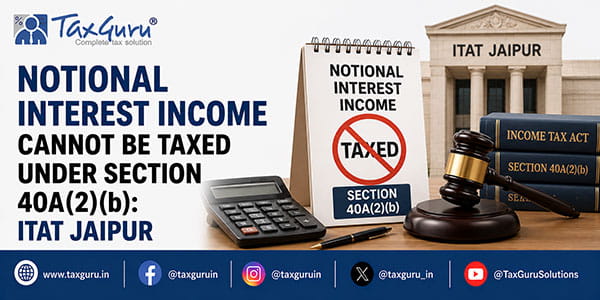
Income Tax
Notional Interest Income Cannot Be Taxed Under Section 40A(2)(b): ITAT Jaipur
Income Tax
Income Tax
Mumbai ITAT Quashes Reassessment; PCIT Approval Invalid Beyond Three Years
Income Tax
Income Tax
ITAT Delhi Restricts Demonetisation Cash Deposit Addition to ₹3.50 Lakh
Income Tax
Income Tax
Mumbai ITAT Deletes Section 69A Cash Redeposit Addition Based on Mere Suspicion
Income Tax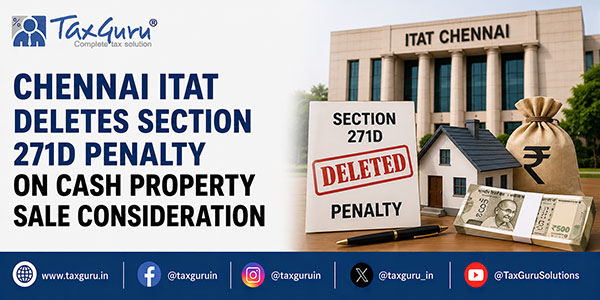
Income Tax
Chennai ITAT Deletes Section 271D Penalty on Cash Property Sale Consideration
Explore the latest Section 250 updates on TaxGuru, including relevant Income-tax Act provisions, rules, notifications, circulars, judicial decisions and compliance guidance. The coverage highlights important tax positions, procedural requirements, assessments, deductions, penalties and litigation developments to help taxpayers and professionals understand the practical implications of changes in income-tax law.

