
#Section 250
Log in to FollowLatest Section 250 updates, provisions, case laws, compliance requirements, tax implications and expert analysis under Income-tax law on TaxGuru.
Income Tax
Income Tax
Search Cases With Common Assessing Officer Governed by Section 127 Transfer Date: ITAT Delhi
Income Tax
Income Tax
ITAT Mumbai Deletes Section 68 Addition on Sunrise Asian Shares LTCG Claim
Income Tax
Income Tax
ITAT Panaji Allows Section 80P(2)(d) Deduction on Interest From Co-Operative Bank Deposits
Income Tax
Income Tax
Stockist/Dealer Discounts Are Not Commission Under Section 194H: ITAT Mumbai
Income Tax
Income Tax
Chennai ITAT: Loose Diary Entries Cannot Justify Additions Without Corroboration
Income Tax
Income Tax
ITAT Ahmedabad Allows Depreciation on Slump Sale Intangibles, Deletes Interest Disallowance
Income Tax
Income Tax
ITAT Delhi Deletes ₹4 Crore Addition Based on Uncorroborated Third-Party WhatsApp Chats
Income Tax
Income Tax
ITAT Delhi Upholds Exclusion of Infosys BPO, TCS E-Serve & e4e Healthcare as Comparables
Income Tax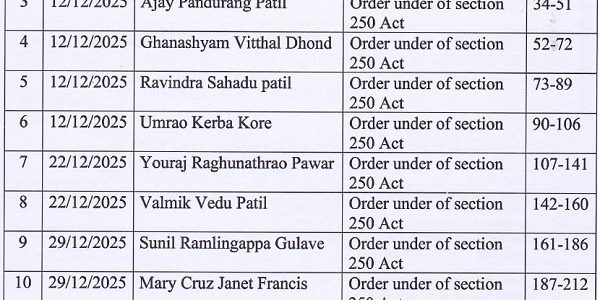
Income Tax
ITAT Pune Allows Section 10(10B) Exemption for BSNL VRS Compensation
Income Tax
Income Tax
TDS Credit Allowed in Year Income Is Taxable Despite Later Reflection in Form 26AS: ITAT Jaipur
Income Tax
Income Tax
ITAT Jaipur Deletes ₹24 Lakh Addition Based Solely on Retracted Survey Statement
Income Tax
Income Tax
ITAT Pune Sets Aside Denial of Section 80P(2)(d) Deduction on Interest Income
Income Tax
Income Tax
ITAT Panaji Allows Section 80P(2)(d) Deduction on Interest From Co-operative Bank
Income Tax
Income Tax
ITAT Pune Allows Section 11 Exemption Despite Delayed Form 10BB Filing
Explore the latest Section 250 updates on TaxGuru, including relevant Income-tax Act provisions, rules, notifications, circulars, judicial decisions and compliance guidance. The coverage highlights important tax positions, procedural requirements, assessments, deductions, penalties and litigation developments to help taxpayers and professionals understand the practical implications of changes in income-tax law.

