
#Section 250
Log in to FollowLatest Section 250 updates, provisions, case laws, compliance requirements, tax implications and expert analysis under Income-tax law on TaxGuru.
Income Tax
Income Tax
ITAT Mumbai Quashes Additions Under Sections 68 and 69C on Sunrise Asian LTCG
Income Tax
Income Tax
ITAT Panaji Allows Section 80P(2)(d) Deduction on Interest Earned from Co-operative Banks
Income Tax
Income Tax
Delayed Employees’ PF Disallowance May Enhance Section 80-IC Deduction: Kolkata ITAT
Income Tax
Income Tax
Section 68 Addition Cannot Stand Without Reconciling Discrepancies: Cochin ITAT
Income Tax
Income Tax
Wife’s Jewellery Not Taxable in Husband’s Hands; 115BBE Rate Prospective: ITAT Nagpur
Income Tax
Income Tax
Non-Service of Order Sufficient Cause; 137-Day Delay Condoned: Amritsar ITAT
Income Tax
Income Tax
ITAT Nagpur Denies Section 80-IA Deduction for Failure to Prove Developer Status
Income Tax
Income Tax
ITAT Bangalore Rejects Section 69A Addition Based on Bank Deposit-GST Turnover Difference
Income Tax
Income Tax
Section 80P Deduction Allowed on Nominal Member Credits & Bank Interest: Bangalore ITAT
Income Tax
Income Tax
BSNL VRS Compensation Gets Full Section 10(10B) Exemption; Bangalore ITAT
Income Tax
Income Tax
ITAT Mumbai Quashes Section 148 Reassessment for Failure to Meet Section 149(1)(b) Conditions
Income Tax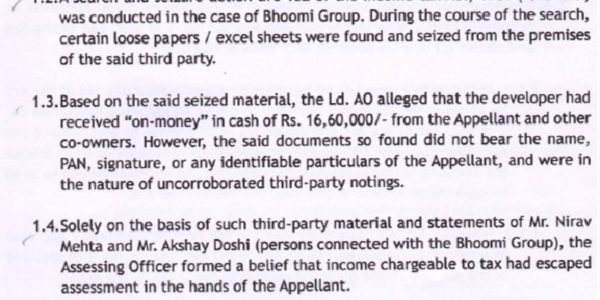
Income Tax
ITAT Pune Quashes Reassessment Based on Dumb Document, Deletes Section 69 Addition
Income Tax
Income Tax
ITAT Indore Limits ₹46.78 Lakh Section 69 Addition to ₹8 Lakh Based on Actual Purchase Price
Income Tax
Income Tax
ITAT Agra Deletes Demonetization Cash Addition After Accepting Past Withdrawals
Explore the latest Section 250 updates on TaxGuru, including relevant Income-tax Act provisions, rules, notifications, circulars, judicial decisions and compliance guidance. The coverage highlights important tax positions, procedural requirements, assessments, deductions, penalties and litigation developments to help taxpayers and professionals understand the practical implications of changes in income-tax law.

