
#Section 250
Log in to FollowLatest Section 250 updates, provisions, case laws, compliance requirements, tax implications and expert analysis under Income-tax law on TaxGuru.
Income Tax
Income Tax
Ahmedabad ITAT: ₹13.68 Crore Demonetisation Deposits Not Taxable u/s 69A on Suspicion Alone
Income Tax
Income Tax
Pune ITAT: Cash Deposits Taxation Reduced by ₹5 Lakh; Peak-Credit Theory Rejected
Income Tax
Income Tax
Pune ITAT: Lift Cost of Real-Estate Project Not Disallowed as Prior-Period Expense
Income Tax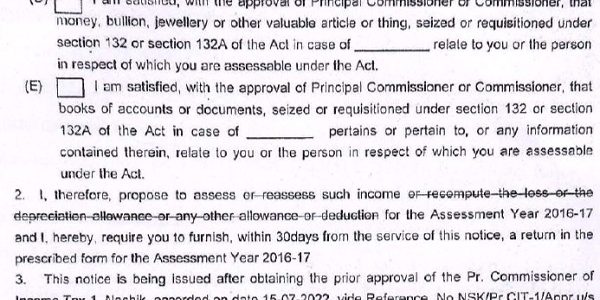
Income Tax
Pune ITAT: AY 2016-17 Reassessment Quashed; PCIT Sanction Invalid Beyond 3 Years
Income Tax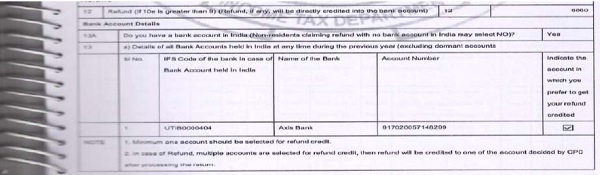
Income Tax
Pune ITAT: 25% Addition Limited to ₹16.54 Crore Unproved Purchases, Not to Entire Purchases
Income Tax
Income Tax
Mumbai ITAT: 19 Search Appeals Restored for 153A, 153D Approval & Limitation Review
Income Tax
Income Tax
Mumbai ITAT: LP Steam Not Nil-Cost By-Product; ₹32.20 Crore Section 80-IA Deduction Allowed
Income Tax
Income Tax
Bangalore ITAT: TDR Sale Taxable as Capital Gains After Deducting Surrendered Land Value
Income Tax
Income Tax
ITAT Delhi Upholds Fictitious Derivative Loss Disallowance, Remands Reopening Issue
Income Tax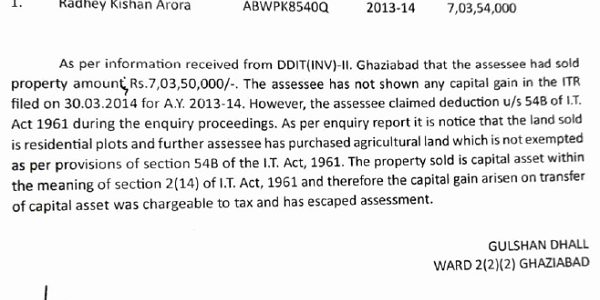
Income Tax
ITAT Delhi Quashes Reopening Where No Addition Was Made on Recorded Reasons
Income Tax
Income Tax
ITAT Chennai Allows Goodwill Depreciation & Land Development Deduction as Revenue Expenditure
Income Tax
Income Tax
ITAT Rajkot Allows Section 87A Rebate on Section 111A Gains for AY 2025-26
Income Tax
Income Tax
ITAT Ahmedabad Upholds Section 80GGC Disallowance on Bogus Political Donation
Income Tax
Income Tax
Road & Garden Land Has Nil NRV, ITAT Raipur Deletes ₹2.13 Crore Addition
Explore the latest Section 250 updates on TaxGuru, including relevant Income-tax Act provisions, rules, notifications, circulars, judicial decisions and compliance guidance. The coverage highlights important tax positions, procedural requirements, assessments, deductions, penalties and litigation developments to help taxpayers and professionals understand the practical implications of changes in income-tax law.

