
#Section 250
Log in to FollowLatest Section 250 updates, provisions, case laws, compliance requirements, tax implications and expert analysis under Income-tax law on TaxGuru.
Income Tax
Income Tax
AY 2015-16 Reassessment Notices Issued After 1 April 2021 Time-Barred: Gujarat HC
Income Tax
Income Tax
Enhanced Rs.25 Lakh Leave Encashment Exemption Applied to Pre-2023 Retirement: ITAT Chennai
Income Tax
Income Tax
ITAT Mumbai Allows KPMG Unbilled Revenue Write-off for AY 2015-16
Income Tax
Income Tax
ITAT Chennai Rejects Reopening of Concluded Goodwill Depreciation Issue in Subsequent Year
Income Tax
Income Tax
ITAT Bangalore Deletes Section 271FA Penalty on Co-operative Bank for AIR Non-Filing
Income Tax
Income Tax
ITAT Delhi Quashes Reassessment Based Solely on Revenue Audit Objection
Income Tax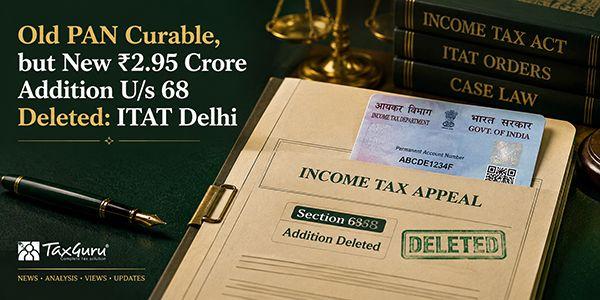
Income Tax
Old PAN Curable, but New ₹2.95 Crore Addition U/s 68 Deleted: ITAT Delhi
Income Tax
Income Tax
“Interest” Is More Than Just Interest: Mukul Rohatgi Gets Loan Charges Deduction U/s 24(b)
Income Tax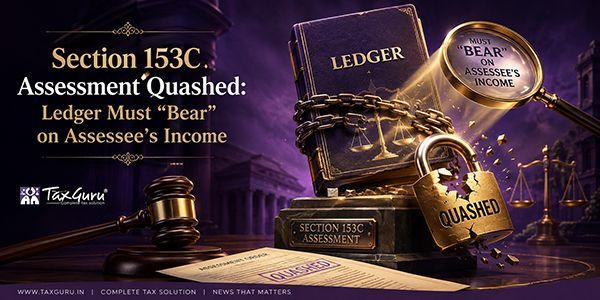
Income Tax
Section 153C Assessment Quashed: Ledger Must “Bear” on Assessee’s Income
Income Tax
Income Tax
AO Fails to Specify Penalty Charge, Delhi ITAT Quashes Section 271(1)(c) Penalty
Income Tax
Income Tax
Agricultural Land Distance from City Limits Decides Section 2(14) Exemption
Income Tax
Income Tax
AO Cannot Depreciate an Asset & Doubt Its Existence: Partners’ Capital Addition U/s 68 Deleted
Income Tax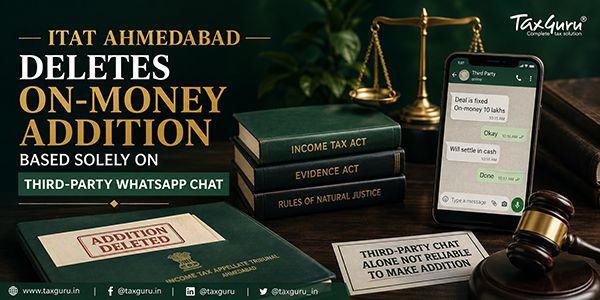
Income Tax
ITAT Ahmedabad Deletes On-Money Addition Based Solely on Third-Party WhatsApp Chat
Income Tax
Income Tax
ITAT Chennai Condones 1592-Day Delay, Grants BSNL VRS Exemption under Section 10(10B)
Explore the latest Section 250 updates on TaxGuru, including relevant Income-tax Act provisions, rules, notifications, circulars, judicial decisions and compliance guidance. The coverage highlights important tax positions, procedural requirements, assessments, deductions, penalties and litigation developments to help taxpayers and professionals understand the practical implications of changes in income-tax law.

