
Courts: Supreme Court of India
Read latest Supreme Court of India judgments and orders on Income Tax, GST, Customs, Company Law and other taxation, corporate and commercial laws.
Missing Railway Ticket Cannot Defeat Bona Fide Passenger Claim: SC

Retrial Not Justified Without Plea of Prejudice in Cheque Case: SC

POCSO FIR in Matrimonial Custody Dispute Quashed; SC Issues Safeguards

Election Commissioners Appointment Law Challenge Referred for Constitution Bench: SC
Supreme Court Stays Section 276C Prosecution in Ambey Constructech Case

Old Rules Do Not Govern Earlier Vacancies Automatically: Supreme Court
PIL Cannot Become Proxy Tender Dispute Between Rival Bidders: SC
Supreme Court Upholds Service Tax Exemption for IIT Patna and NIT Rourkela
Bribe Recovery Without Proof of Demand Cannot Sustain Conviction: SC

Time Allowed for Reply Excluded from Reassessment Limitation: SC Dismisses SLP
Three-Month GST Appeal Delay Cannot Be Condoned Beyond Section 107(4): SC

Repetitive Show Cause Notice on Settled Classification Is Abuse of Process: Supreme Court
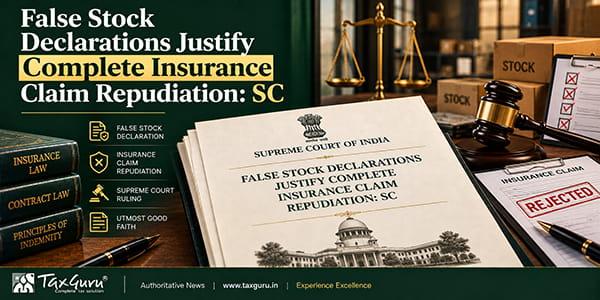
False Stock Declarations Justify Complete Insurance Claim Repudiation: SC
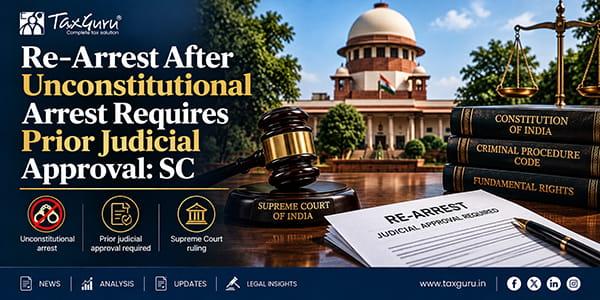
Re-Arrest After Unconstitutional Arrest Requires Prior Judicial Approval: SC
Supreme Court of India brings together Supreme Court judgments and orders published on TaxGuru concerning taxation, corporate, commercial and regulatory laws. The archive covers Income Tax, GST, Customs, Company Law, insolvency, constitutional and other legal issues relevant to taxpayers, businesses and professionals. Readers can research authoritative rulings on statutory interpretation, substantial questions of law, constitutional issues and appeals from High Courts and tribunals. Chartered Accountants, advocates, tax professionals, companies and legal researchers can use this category to follow important Supreme Court jurisprudence relevant to taxation and business laws.

