

Articles by this Author
Income Tax
Income Tax
Lack of Proper Legal Advice Sufficient to Condon Appeal Delay: ITAT Ahmedabad
Income Tax
Income Tax
ITAT Remands Section 69A Addition as Additional Evidence Goes to Root of Dispute
Income Tax
Income Tax
Section 69 Addition Deleted as Property Investment Was Made in Earlier Year
Income Tax
Income Tax
ITAT Deletes TP Adjustment as Earlier Coordinate Bench Ruling Was Binding
Income Tax
Income Tax
Transfer Pricing Addition Deleted Because ALP Was Fixed at Nil Without Prescribed Method
Goods and Services Tax
Goods and Services Tax
GST Registration Must Be Restored as Appeal Does Not Grant Automatic Stay: Allahabad HC
Income Tax
Income Tax
Madras HC Upholds Income Tax Search as Section 132 Challenge Failed
Income Tax
Income Tax
ITAT Quashes Reassessment as ITO Lacked Jurisdiction Under CBDT Instruction No. 1/2011
Income Tax
Income Tax
ITAT Quashes Assessment as Jurisdictional AO Did Not Issue Section 143(2) Notice
Income Tax
Income Tax
ITAT Kolkata Quashes Reassessment as ACIT Lacked Pecuniary Jurisdiction
Income Tax
Income Tax
Assessment Invalid Where Non-Jurisdictional AO Issued Section 143(2) Notice: ITAT Kolkata
Income Tax
Income Tax
Section 143(2) Notice by Wrong Officer Makes Assessment Null & Void: ITAT Kolkata
Income Tax
Income Tax
Limited Scrutiny Cannot Be Expanded Without CBDT Approval: ITAT Kolkata
Corporate Law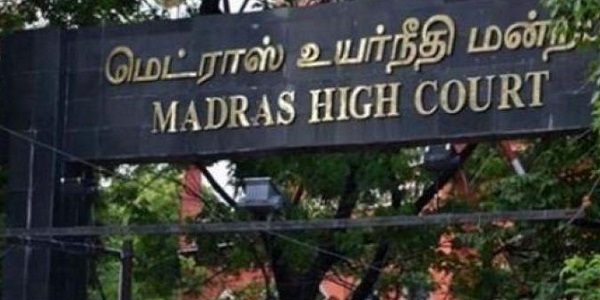
Corporate Law

