

Articles by this Author
Company Law
Company Law
NCLAT Allows Oppression Petition Where 4 of 30 Members Filed
Income Tax
Income Tax
ITAT Mumbai Holds Land Sale as Capital Gain; Allows Project Completion Method
Income Tax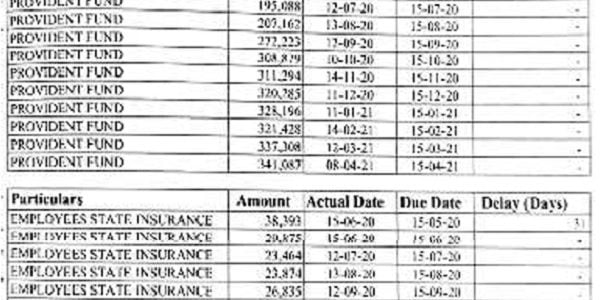
Income Tax
ITAT Mumbai Remands COVID-19 PF/ESI Delay Disallowance for Verification
Income Tax
Income Tax
ITAT Mumbai Allows Deduction for Interest Paid on Delayed TDS Payment
Income Tax
Income Tax
Subjective Difference Insufficient for Section 263 Revision: Gujarat HC
Income Tax
Income Tax
SC Dismisses Section 263 Challenge Where AO Had Conducted Inquiry and Verification
Income Tax
Income Tax
ITAT Hyderabad Allows Bad Debt Write-Off by Co-operative Bank Despite State Government Guarantee
Income Tax
Income Tax
Delhi HC Sets Aside ITAT Remand on NDTV Corporate Guarantee Issue
Income Tax
Income Tax
Telangana HC Quashes Income Tax Reassessment Order After IBC Resolution Plan Approval
Income Tax
Income Tax
Madras HC Upholds Section 148 Reassessment Notice for AY 2015-16 as Within Limitation
Income Tax
Income Tax
Madras HC Upholds Section 148 Reassessment Notice for AY 2013-14 as Timely
Income Tax
Income Tax
Late Form 10B Filing Cannot Deny Section 11 & 12 Exemption: ITAT Mumbai
Income Tax
Income Tax
ITAT Delhi Deletes Section 68 Addition for Loans Without Corroborative Search Material
Income Tax
Income Tax

