AI-driven scrutiny and AIS integration are increasing Income Tax notices where property transactions occur below stamp duty value. Both buyers and sellers may face taxation under Sections 50C and 56(2)(x).
Filing Income Tax Return is not always linked to tax liability. This guide explains the transaction-based conditions under Section 139(1) that make ITR filing compulsory even for low-income taxpayers.
Banks now analyse GST returns, bank statements, and ITR data to assess financial discipline and repayment capacity before approving loans. The article explains how GST compliance directly impacts MSME loan eligibility and banking credibility.
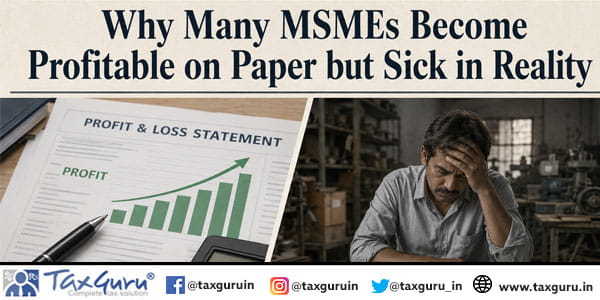
An analysis of why MSMEs report profits on paper but face cash shortages, repayment pressure, weak liquidity, and operational financial stress.
The article explains the most frequent errors in project reports, including unrealistic projections and incorrect financial calculations, that reduce loan approval chances.
The issue concerns how purchase classification affects tax treatment. The key takeaway is that bogus purchases lead to full disallowance, while non-genuine ones attract only profit-based additions.
Many firms lose significant subsidy benefits due to poor planning and cost misclassification. This explains how structured project planning can unlock maximum financial incentives.
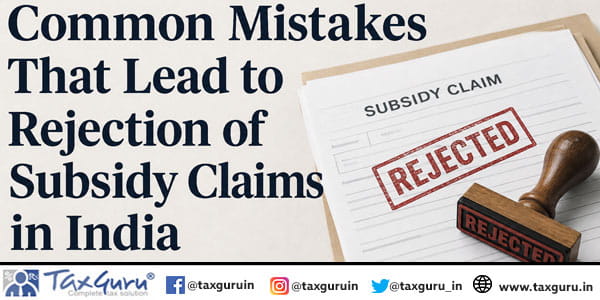
A practical guide on common mistakes that lead to rejection of subsidy claims in India, covering planning, compliance, documentation, and timelines.
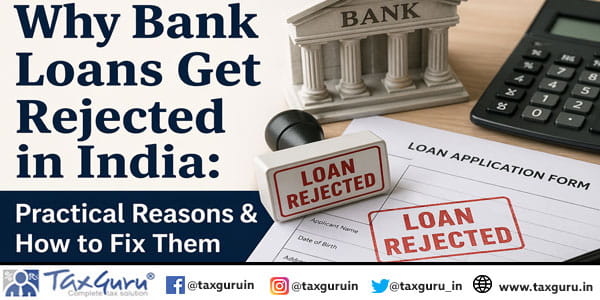
This explains why businesses with strong sales still face loan rejection due to low profitability and poor financial discipline. The key takeaway is that repayment capacity matters more than turnover.
The new tax regime shifts loan approval to verified financial data like ITR and GST. Clean records now determine eligibility instead of physical assets.