
Month: June 2026
2,704 articlesGoods and Services Tax
Goods and Services Tax
RCM on Renting of Immovable Property under GST – A Comprehensive Analysis
Goods and Services Tax
Goods and Services Tax
Can GST Authorities Club Multiple Years in One SCN? SC to Settle the Debate
Corporate Law
Corporate Law
Parties Can’t Openly Defy Operative Directions: Allahabad HC
Company Law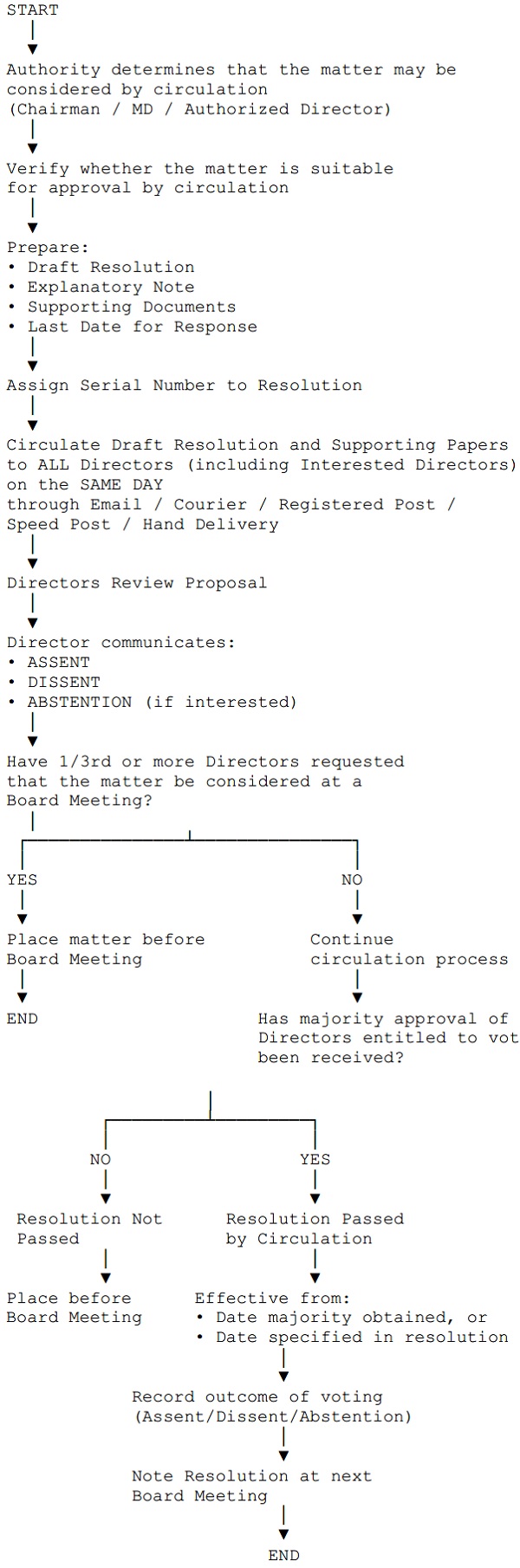
Company Law
SOP for Passing of Board Resolutions by Circulation
Corporate Law
Corporate Law
Telangana Advocates Protection Act: Game Changer or Mere Statute?
Corporate Law
Corporate Law
Why BJP and Annamalai Must Reconcile to Strengthen Tamil Nadu Politics
Income Tax
Income Tax
ITAT Mumbai Restricts Bogus Purchase Addition to 7.87% of profit element
Goods and Services Tax
Goods and Services Tax
GST Apellate Tribunal (GSTAT)- A Quick Overview
Corporate Law
Corporate Law
PSARA License in India: Complete Guide for Security Agencies
Income Tax
Income Tax
Form 26AS – Not Conclusive In Presumptive Taxation
Corporate Law
Corporate Law
PMLA Asset Retention vs IBC Clean Slate: Key Lessons for Insolvency
Goods and Services Tax
Goods and Services Tax
SC Keeps Section GST ITC Section 16(2)(c) Challenge Open: Impact on Taxpayers
Income Tax
Income Tax
New Tax Audit Rules Mandate Reporting of Accounting Software Details
Goods and Services Tax
Goods and Services Tax

