
Month: June 2026
2,704 articlesFema / RBI
Fema / RBI
FEMA Compliance for Foreign Investments in India
Income Tax
Income Tax
Advance Tax Under Income Tax Act, 2025: Liability, Due Dates & Interest
Income Tax
Income Tax
Share Buyback Taxation: Corporate Strategy After Budget 2026
CA, CS, CMA
CA, CS, CMA
Impact on Stock Audit Engagements for Related-Party Debtors & Creditors
Goods and Services Tax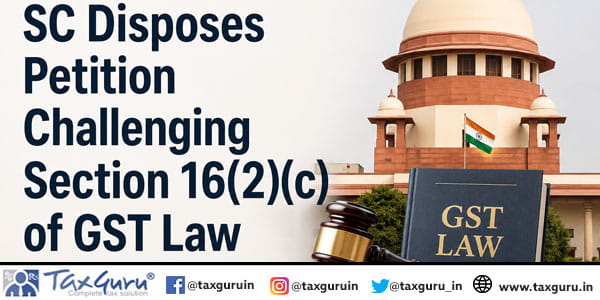
Goods and Services Tax
SC Disposes Petition Challenging Section 16(2)(c) of GST Law
Goods and Services Tax
Goods and Services Tax
SC to examine validity of consolidated GST SCNs spanning multiple financial years
Income Tax
Income Tax
ITAT Remands Section 54EC Claim as Bond Availability Issue Required Verification
Income Tax
Income Tax
CPC had jurisdiction for audit-based adjustments, but double disallowance u/s 14A without hearing assessee was legally impermissible
Corporate Law
Corporate Law
CCI Declines Investigation as Service Dispute Not Establishes Abuse of Dominant Position
Goods and Services Tax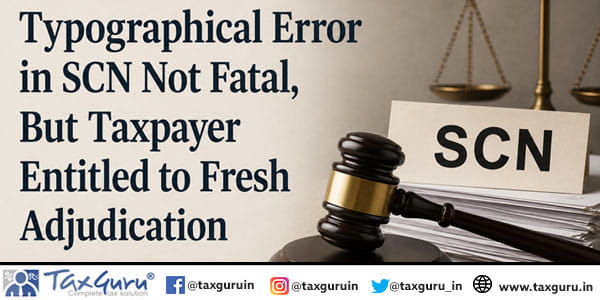
Goods and Services Tax
Typographical Error in SCN Not Fatal, But Taxpayer Entitled to Fresh Adjudication
CA, CS, CMA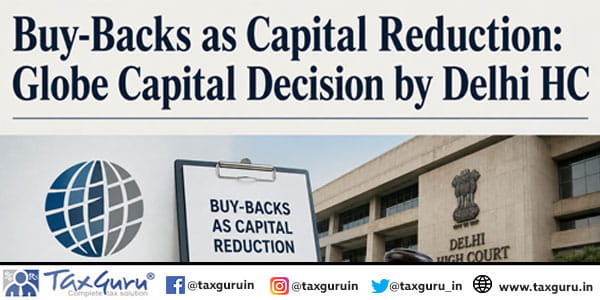
CA, CS, CMA
Buy-Backs as Capital Reduction: Globe Capital Decision by Delhi HC
Goods and Services Tax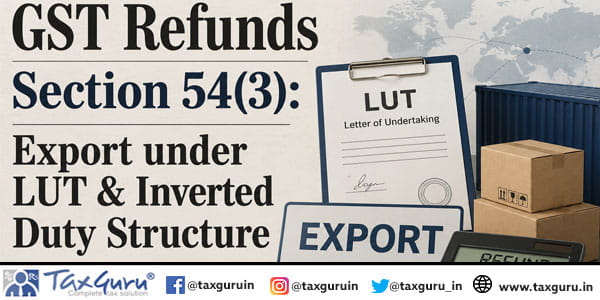
Goods and Services Tax
GST Refunds Section 54(3): Export under LUT & Inverted Duty Structure
Goods and Services Tax
Goods and Services Tax
NDPS Act: GSTIN in E-Way Bills Alone Cannot Establish Conscious Involvement
CA, CS, CMA
CA, CS, CMA

