
Month: June 2026
2,704 articlesCorporate Law
Corporate Law
FCRA Compounding Guide: Rent from Foreign-Funded Property Credited to Non-FCRA Account
Corporate Law
Corporate Law
FCRA Registration in India: A Guide for NGOs and Trusts
Income Tax
Income Tax
Reassessment Quashed: Co-owner’s Share Below ₹50 Lakh, Notice Held Time-Barred
Company Law
Company Law
Can a Loss-Making Company Issue Bonus Shares from Securities Premium?
Goods and Services Tax
Goods and Services Tax
GSTAT Appeals by 30 June 2026, Scrutiny Relief Till 31 Dec 2026: What Taxpayers Gain
Goods and Services Tax
Goods and Services Tax
Section 62 Assessment Reconsiderable After Filing of Pending GST Returns: Madras HC
Income Tax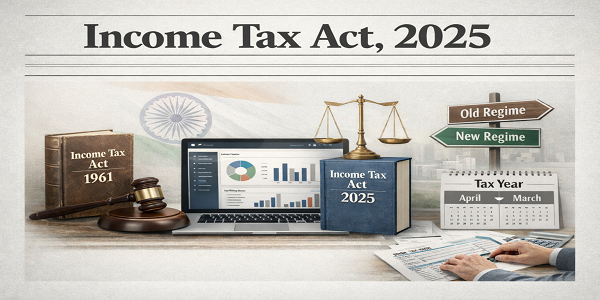
Income Tax
Survey and Assessment Proceedings under New Income Tax Act, 2025
Company Law
Company Law
NCLAT Restores Company Petition Because Delay Was Not Solely Petitioner’s Fault
Goods and Services Tax
Goods and Services Tax
Section 73 Relief Does Not Bar Section 74 Action by CGST Authorities: Delhi HC
Goods and Services Tax
Goods and Services Tax
SC Stays HC Ruling on GST Portal Upload as Valid Service Under Section 169
Corporate Law
Corporate Law
Corporate Compliance Calendar for June 2026
Income Tax
Income Tax
Income Tax Superintendent Caught by CBI in Bribery Case Linked to PAN Deletion
Corporate Law
Corporate Law
Court Allegedly Called Them Cockroaches, India Called It a Movement
Corporate Law
Corporate Law

