
Month: June 2026
2,704 articlesGoods and Services Tax
Goods and Services Tax
E-Invoicing and E-Way Bills under GST: Compliance Risks & Penalty
Goods and Services Tax
Goods and Services Tax
Opaque Veil: National Security or confedential & Denial of Documents in GST Adjudication
Corporate Law
Corporate Law
Calcutta HC Bars Shifting of Registered Office If IBC Appeal Pending
Goods and Services Tax
Goods and Services Tax
Transportation of Goods: Taxation under Income Tax and GST
Income Tax
Income Tax
Reporting of Foreign Asset in Schedule FA of ITR by Resident Taxpayers
Company Law
Company Law
What Happens If DIN Is Not Mentioned in Statutory Filings? Section 172 Penalty Guide
Income Tax
Income Tax
Deduction u/s 54F was allowable on 50 Flats received under JDA for Pre-2015 assessment year
Income Tax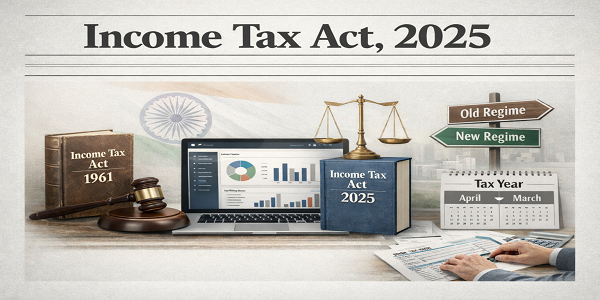
Income Tax
Working in a Family Business? Key ITR and Tax Reporting Rules
Goods and Services Tax
Goods and Services Tax
Advisory Note on GST Section 73 Penalties: Key Insights for Professionals
Company Law
Company Law
No insolvency proceedings as misrepresentation of borrower as Guarantor invalidated section 95 application
Income Tax
Income Tax
Taxation of Registered Non-Profit Organisations under Income Tax 2025
Income Tax
Income Tax
Labour Reforms, Payroll Ethics and Take-Home Pay Dilemma
Income Tax
Income Tax
Income Tax Calculator FY 2026–27
Goods and Services Tax
Goods and Services Tax

