
Month: June 2026
2,704 articlesIncome Tax
Income Tax
Excess Stock Found During Survey Is Business Income, Not Deemed Income u/s 69A: Bangalore ITAT
Income Tax
Income Tax
Bogus Purchase Addition Can’t Be 100% When Sales Are Accepted: ITAT Mumbai
Income Tax
Income Tax
CIT(A) Cannot Dismiss Appeal for Non-Prosecution Without Deciding Merits: ITAT Pune
Income Tax
Income Tax
ITR Filing 2026: Important Due Dates, Budget 2026 Updates & Strategies
Company Law
Company Law
Issuance of Debentures by a Private Company under Companies Act, 2013
Goods and Services Tax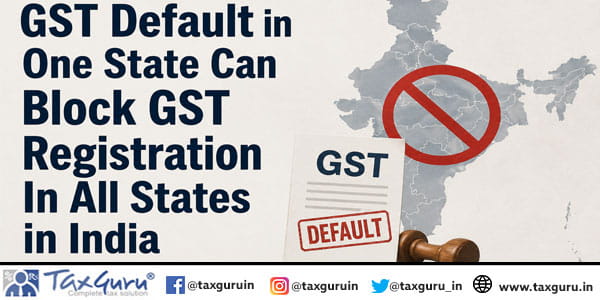
Goods and Services Tax
GST Default in One State Can Block GST Registration In All States in India
Company Law
Company Law
ROC Imposes Penalty for Multiple Private Placement Filing Errors
Company Law
Company Law
Penalty Imposed for Incorrect CSR Disclosures in AOC-4 XBRL Filing
Company Law
Company Law
Private Placement Under Companies Act: Key Rules Every Company Must Know
Fema / RBI
Fema / RBI
Know Your Customer (KYC): Regulatory Directions and Implementation
Company Law
Company Law
Fast Track Merger Procedure & Rules under Companies Act, 2013
Company Law
Company Law
No separate eviction proceedings required for RP to reclaim corporate debtor’s assets during CIRP
Income Tax
Income Tax
Telangana HC Upholds ITAT’s Rejection of Section 254(2) Rectification Plea
Goods and Services Tax
Goods and Services Tax

